
Transport Wheelchairs: What Seniors and Caregivers Really Need to Know
If you’ve ever pushed a loved one through a crowded airport or tried to get a parent to a doctor’s appointment without a struggle, you already know why transport wheelchairs exist. They’re not meant to replace every mobility device out there. They’re built for one job: getting someone from point A to point B, safely and without the hassle of a bulky manual wheelchair.
I’ve talked with dozens of families over the years who didn’t even know this option existed until a nurse or physical therapist mentioned it. So let’s walk through what a transport wheelchair actually is, how it works, and whether it makes sense for you or the person you’re caring for.
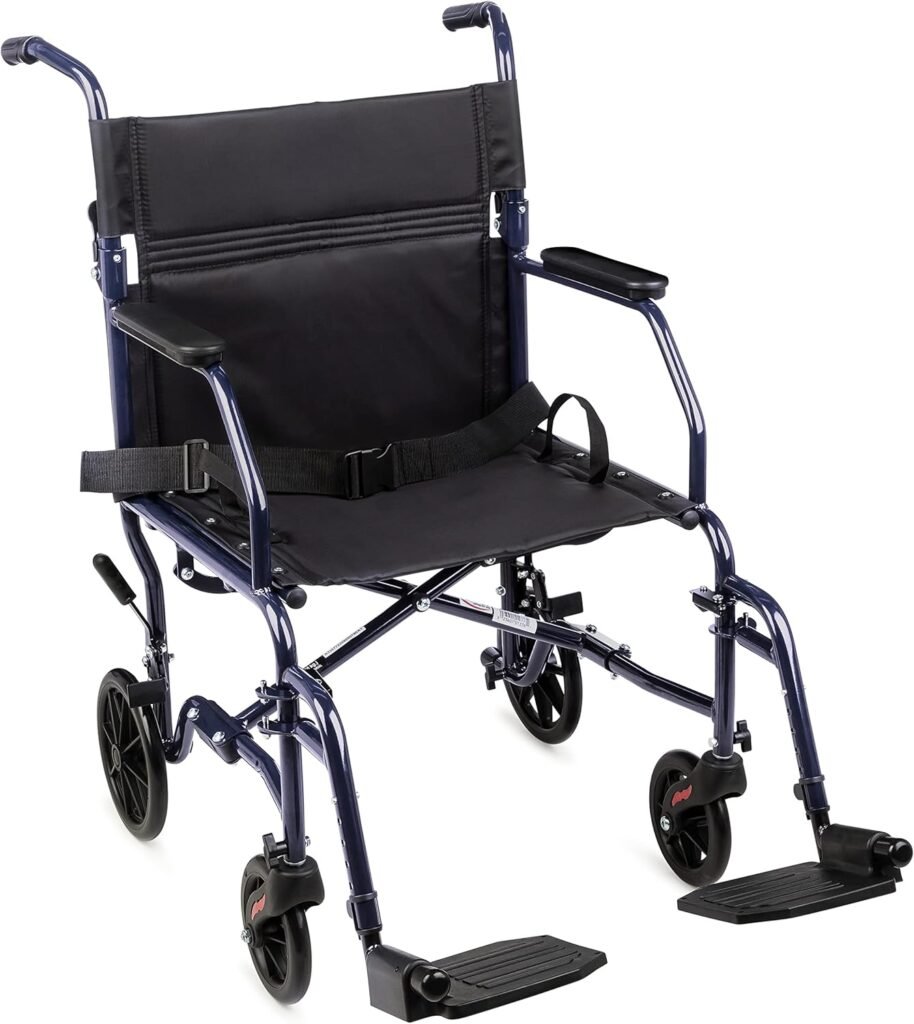
What Is a Transport Wheelchair?
A transport wheelchair, sometimes just called a transport chair, is a lightweight chair with four small wheels. Unlike a standard manual wheelchair, it’s not designed for the user to push themselves around. Instead, a caregiver, family member, or attendant pushes it from behind.
Think of it as a hybrid between a wheelchair and a stroller for adults. It folds flat, weighs far less than a traditional wheelchair, and tucks into a car trunk without much effort. That’s why so many families keep one on hand just for outings, appointments, or travel days.

How Does a Transport Wheelchair Work?
The design is pretty simple, which is part of the appeal. Four wheels, all the same size, sit close to the frame. A caregiver holds the push handles and steers the chair from behind, much like pushing a shopping cart.
Most models include:
- A padded seat and backrest
- Footrests that swing away or fold up
- Hand brakes near the push handles for the caregiver to control
- A folding frame that collapses in seconds
Because the user isn’t expected to self-propel, there are no large rear wheels with hand rims. That’s the biggest visual difference between a transport chair and a manual wheelchair, and it’s also why transport chairs weigh so much less.
Who Should Use a Transport Wheelchair?
Transport wheelchairs work well for people who:
- Can walk short distances but tire quickly over longer ones
- Are recovering from surgery or an injury and need temporary mobility support
- Have a caregiver available to push them, rather than needing to self-propel
- Travel often and need something light enough to lift into a car or check at an airport gate
- Attend frequent medical appointments where a full-size wheelchair feels like overkill
They’re not the best fit for someone who needs to move independently throughout the day, since there’s no way to self-propel a standard transport chair. For that situation, a manual wheelchair or power wheelchair usually makes more sense.
Benefits of Transport Wheelchairs
Families tend to appreciate a few things right away once they start using one.
Lightweight and portable. Many models weigh between 18 and 25 pounds, which makes lifting them in and out of a car trunk far easier on a caregiver’s back.
Easy to fold and store. Most fold flat in one motion, so they don’t take up much closet space between uses.
Great for outings. Whether it’s a trip to church, a grandchild’s graduation, or a shopping trip, a transport chair gets someone there without exhausting them beforehand.
Budget-friendly. Compared to power wheelchairs or scooters, transport chairs are usually much less expensive.
Simple to operate. There’s no learning curve for the caregiver. If you can push a cart, you can push a transport chair.

Limitations to Consider
It’s worth being honest about the downsides too, since no mobility aid is perfect for every situation.
- The user can’t self-propel, so a caregiver always needs to be present
- Smaller wheels don’t handle rough terrain, gravel, or grass as well as larger wheelchair wheels
- Weight capacity is often lower than standard wheelchairs, so it’s important to check specs carefully
- Not ideal as a full-time, everyday mobility solution for someone living alone
If someone needs independence to move around their own home, a rollator, walker, or manual wheelchair might be a better everyday fit, with the transport chair reserved for longer outings.
Key Features to Look For
When you’re comparing options, a few features make a real difference in daily use.
Weight of the chair itself. Lighter isn’t always better if it sacrifices durability, so look for a balance around 20 pounds.
Weight capacity. Standard chairs typically support up to 250-300 pounds; bariatric transport wheelchairs go higher.
Seat width. Standard is usually 17-19 inches, but wider options exist for larger frames.
Brake quality. Look for locking brakes that the caregiver can engage confidently, especially on ramps or inclines.
Footrest style. Swing-away footrests make transfers in and out of the chair much easier.
Armrest type. Removable or flip-back armrests simplify transfers from a bed, couch, or car seat.
Transport Wheelchair vs. Manual Wheelchair
| Feature | Transport Wheelchair | Manual Wheelchair |
|---|---|---|
| Who propels it | Caregiver pushes from behind | User self-propels with hand rims |
| Weight | 18-25 lbs (lightweight) | 25-40+ lbs |
| Wheel size | Small, all four equal | Large rear wheels, small front casters |
| Portability | Folds compact, easy to lift | Bulkier, harder to transport |
| Best for | Outings, travel, short-term use | Daily independent mobility |
| Price range | Generally lower | Varies, often higher |
| Independence level | Requires a caregiver present | Allows independent movement |
How to Choose the Right Transport Wheelchair
Start by thinking through a typical week. How often will this chair actually get used, and for what kind of outings?
- Measure the user first. Hip width and leg length affect seat width and footrest positioning.
- Think about who’s pushing. If the caregiver is petite or has back issues, prioritize the lightest frame available.
- Consider storage space. A folding transport wheelchair that fits in a small car trunk or closet matters more than people expect.
- Check the terrain. Mostly smooth sidewalks and indoor floors? Small wheels are fine. Uneven yards or gravel driveways? Look at larger wheel options.
- Don’t skip the test sit. If possible, try the chair in person before buying, especially for comfort and cushion quality.
Safety Tips
A few simple habits go a long way toward preventing accidents.
- Always engage the brakes before helping someone transfer in or out of the chair
- Never leave the chair unattended on a slope or incline without brakes locked
- Check tire pressure and wheel condition regularly if the model uses air-filled tires
- Use the seatbelt if the chair includes one, especially for anyone with balance concerns
- Go slowly over curbs, doorway thresholds, and uneven pavement
Maintenance and Care
Transport wheelchairs don’t need much upkeep, but a little attention keeps them running smoothly for years.
- Wipe down the frame and seat fabric regularly with a damp cloth
- Check that folding hinges move freely and aren’t sticking
- Tighten any loose bolts or screws every few months
- Store indoors when possible to prevent rust on metal frames
- Inspect brake function before each outing, not just occasionally
Frequently Asked Questions
Can someone push themselves in a transport wheelchair? Not typically. Transport chairs lack the large hand-rim wheels needed for self-propulsion, so a caregiver needs to push them.
How much do transport wheelchairs usually cost? Prices generally range from around $80 to $250, depending on materials, weight, and features like padded upholstery.
Are transport wheelchairs covered by Medicare? Medicare may cover a portion of the cost if a doctor documents medical necessity, though coverage details vary. It’s worth checking with your specific plan.
What’s the difference between a transport chair and a wheelchair? The main difference is wheel size and who moves the chair. A wheelchair has large rear wheels for self-propulsion, while a transport chair relies entirely on a caregiver.
Can a transport wheelchair go on an airplane? Yes, many folding transport wheelchairs are airline-friendly and can be checked at the gate, though it’s smart to confirm size and weight limits with the airline beforehand.
Is a transport wheelchair good for everyday use at home? Usually not as a primary device, since it requires someone to push it at all times. It works best for outings rather than full-time indoor mobility.
What weight capacity should I look for? Standard chairs typically hold 250-300 pounds. If more capacity is needed, look specifically for bariatric transport wheelchair models rated higher.
Conclusion
A transport wheelchair isn’t meant to solve every mobility challenge, but for the right situation, it can make a genuine difference. It’s about matching the right tool to the moment, whether that’s a doctor’s visit, a family wedding, or a weekend trip to see grandkids.
If you’re still weighing your options, it’s worth comparing this against other mobility aids like manual wheelchairs, electric wheelchairs, mobility scooters, walkers, rollators, walking canes, and lift chairs. Our full wheelchair buying guide can also help you narrow down what fits your specific needs and budget.
Whatever you choose, the goal stays the same: helping the person you care about stay active, connected, and out in the world they love, without unnecessary strain on anyone involved.