
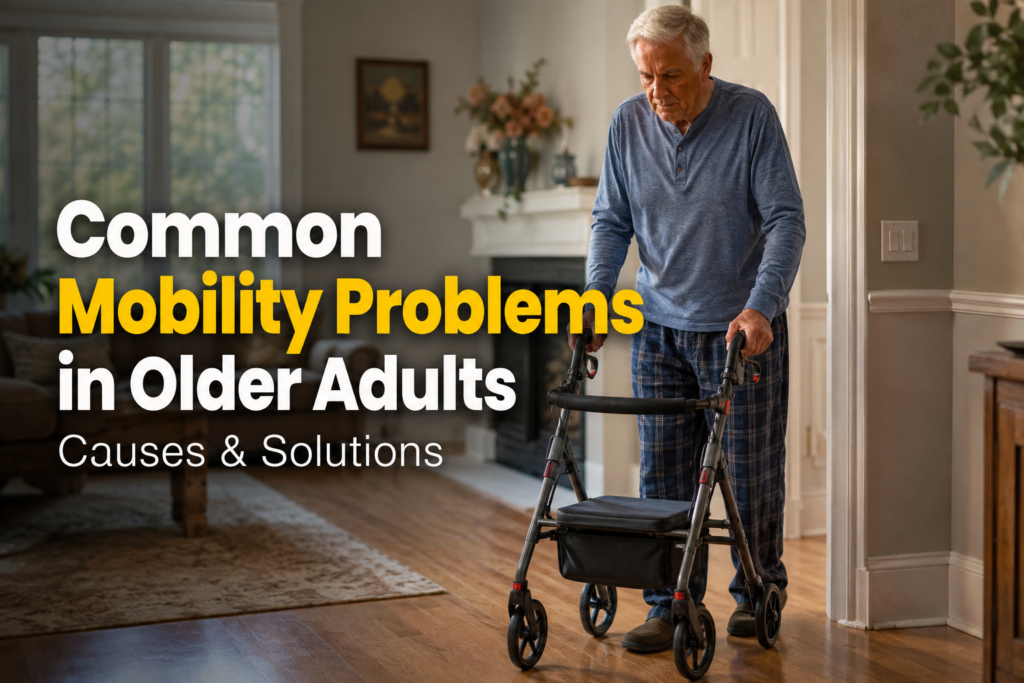
Common Mobility Problems in Older Adults: Causes, Solutions, and Mobility Aids
As we age, the body changes in ways that can affect how easily we move. A short walk to the mailbox, a flight of stairs, or simply standing up from a favorite chair can start to feel harder than it used to. These changes are often gradual, which is one reason mobility problems in older adults can go unnoticed until they start affecting everyday life.
The good news is that mobility difficulties are not something older adults simply have to accept. Many of the most common issues — trouble walking, poor balance, stiffness, weakness — have identifiable causes and practical solutions. Recognizing the signs early, understanding what might be driving them, and knowing what support is available (including mobility aids) can make a real difference in helping older adults stay safe, active, and independent.
This guide walks through what mobility problems look like, why they happen, how they affect daily life, and the tools and strategies that can help.
Table of Contents
- What Are Mobility Problems in Older Adults?
- Common Mobility Problems in Older Adults
- What Causes Mobility Problems in Older Adults?
- How Mobility Problems Can Affect Daily Life
- Mobility Problems and Fall Risk
- How to Improve Mobility in Older Adults
- Mobility Aids for Older Adults
- How to Choose the Right Mobility Aid
- When Should an Older Adult Talk to a Healthcare Professional?
- Practical Tips for Maintaining Independence
- Frequently Asked Questions
- Conclusion
What Are Mobility Problems in Older Adults?
Mobility isn’t just about walking. It covers all the small and large movements that let a person get through their day safely and comfortably. When people talk about mobility issues, they’re usually referring to difficulty with one or more of the following:
- Walking, whether short distances or longer ones
- Standing for extended periods
- Sitting down and getting back up
- Climbing or descending stairs
- Maintaining balance while moving or changing direction
- Moving around inside the home
- Getting outdoors safely
- Getting in and out of a car
- Completing everyday tasks that require movement, like reaching, bending, or carrying items
It helps to think of mobility as a spectrum rather than an all-or-nothing condition. Someone might walk confidently on flat ground but struggle with stairs. Another person might manage most daily tasks but feel unsteady in crowded or uneven spaces. This is why mobility issues examples can look so different from one person to the next.
Importantly, mobility difficulties are not an automatic or unavoidable part of getting older. While some physical changes are common with age, significant or worsening mobility problems usually have an identifiable cause — and often, a way to address it.
Common Mobility Problems in Older Adults
Common mobility problems in older adults tend to fall into a handful of recognizable categories. Understanding them can help older adults and caregivers put a name to what they’re experiencing.
Difficulty Walking
Trouble walking can show up as a slower pace, a shorter stride, or a need to stop and rest more often. It may stem from joint pain, muscle weakness, poor circulation, or nerve-related issues. Over time, problems with walking can limit how far someone is willing or able to travel, which can shrink their world in ways that affect both physical health and social connection.
Balance Problems
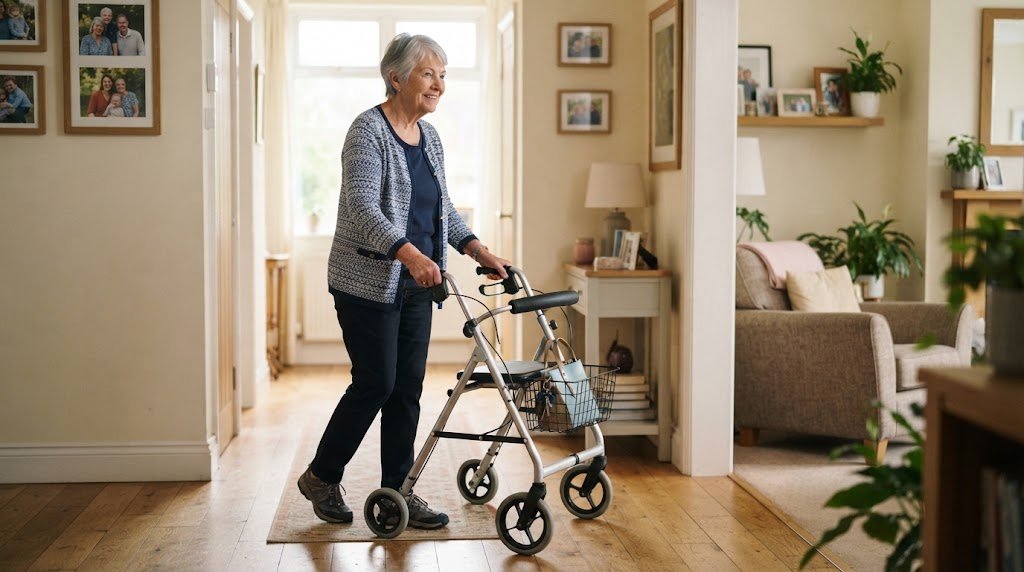
Feeling unsteady, especially when turning, standing up quickly, or walking on uneven surfaces, is one of the most common elderly mobility issues. Balance relies on a coordinated system involving the inner ear, vision, muscles, and joints — so when any part of that system is affected, balance can suffer.
Muscle Weakness
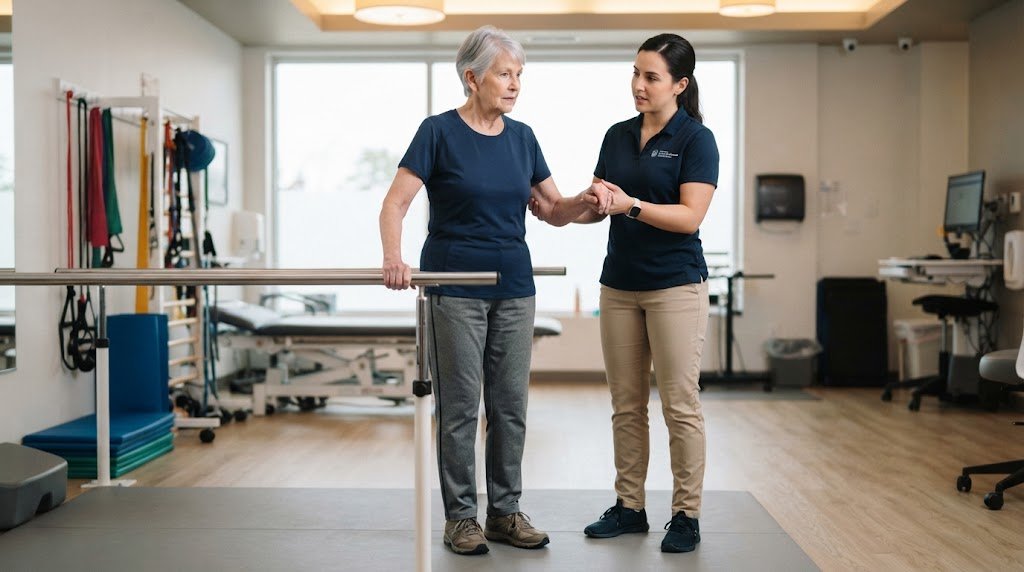
Age-related loss of muscle mass, sometimes called sarcopenia, can make everyday movements like standing, walking, and climbing stairs noticeably more difficult. Reduced strength in the legs and core is one of the biggest contributors to overall mobility difficulties.
Joint Stiffness and Pain
Stiffness or discomfort in the hips, knees, ankles, or spine can limit range of motion and make movement uncomfortable. Many older adults unconsciously adjust their gait to avoid pain, which can create new strain elsewhere in the body.

Reduced Endurance
Some older adults tire quickly, even during activities that used to feel effortless. Reduced cardiovascular fitness, changes in lung function, or underlying health conditions can all play a role in this kind of fatigue-driven mobility concern.
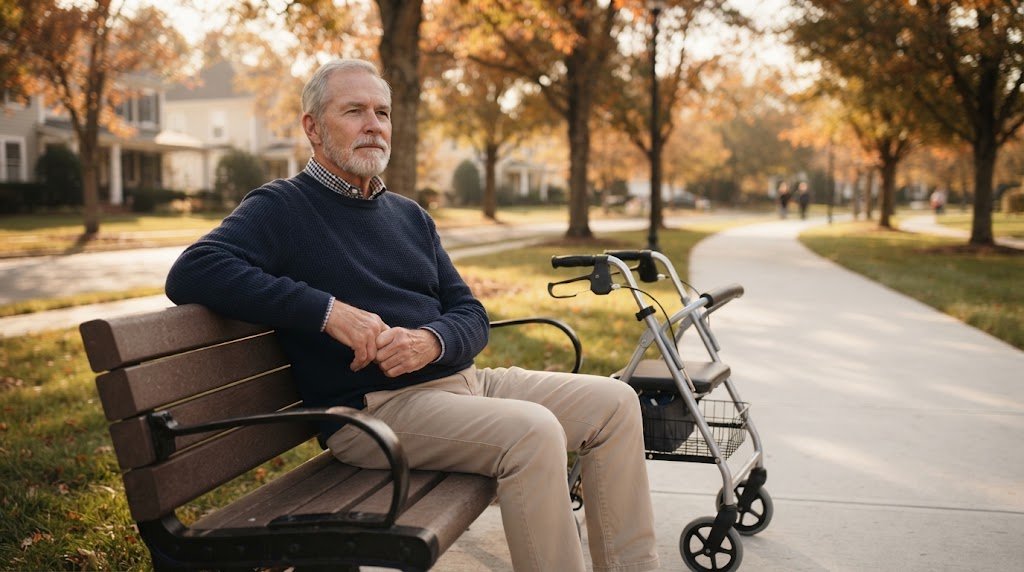
Difficulty Standing Up
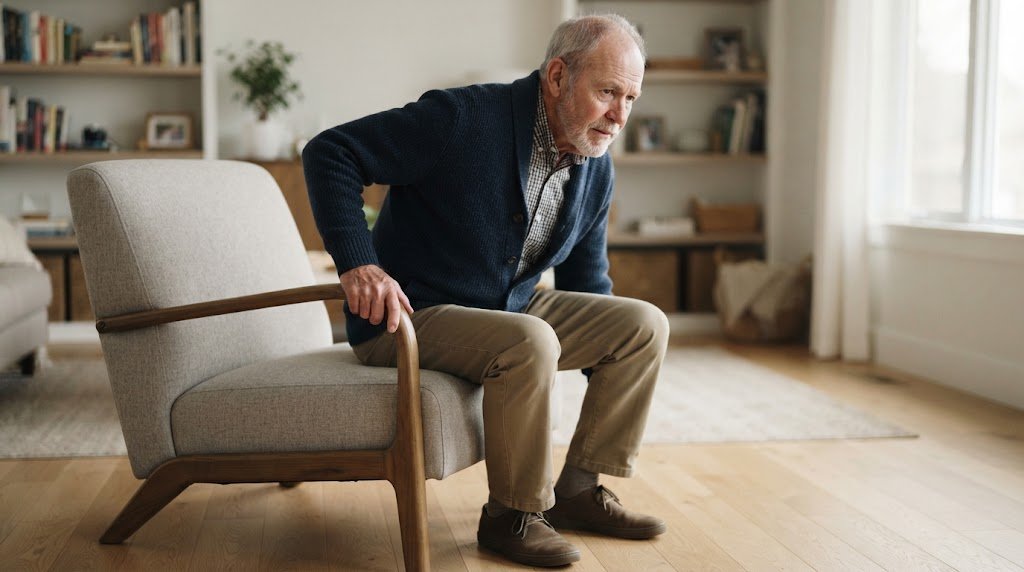
Getting up from a bed, chair, or toilet can become a genuine challenge when leg strength, joint flexibility, or balance are compromised. This is one of the more overlooked mobility difficulties, since it happens dozens of times a day.
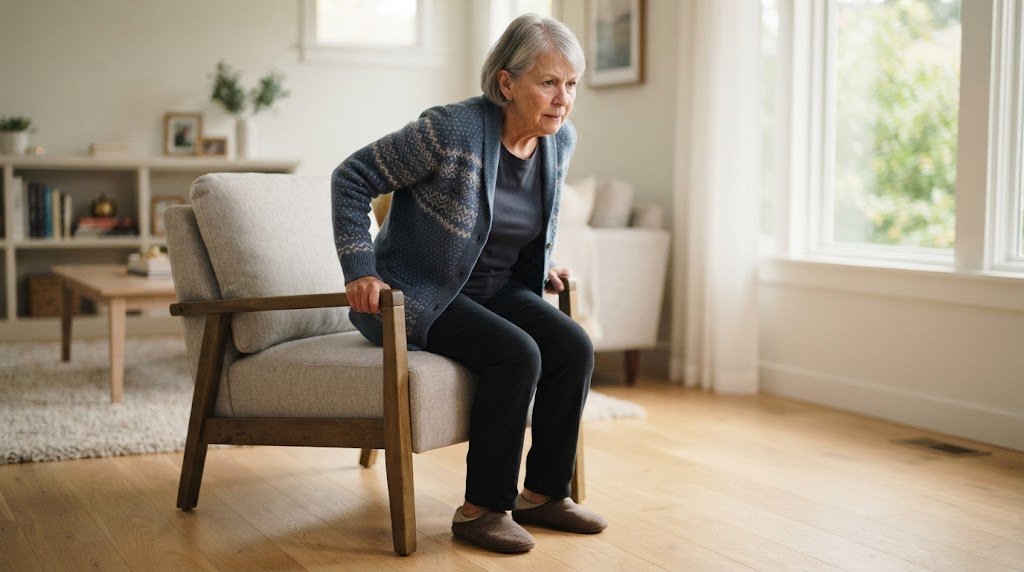
Difficulty Climbing Stairs
Stairs demand strength, balance, and coordination all at once, which makes them one of the first places mobility problems become noticeable. Using handrails, taking one step at a time, and improving lower-body strength can all help make stairs safer.
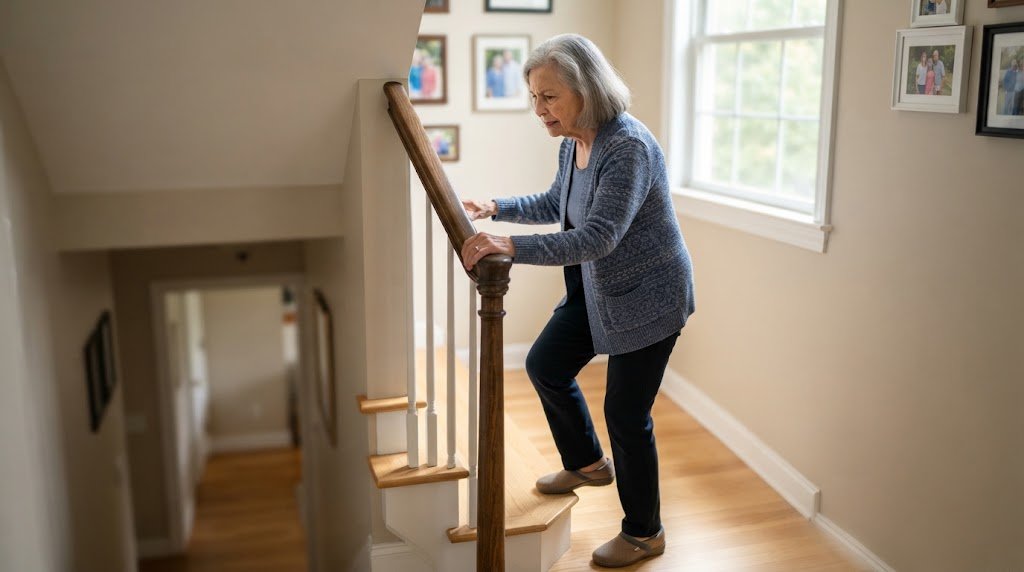
Reduced Coordination
Some older adults notice their movements feel less fluid or precise — for example, difficulty judging distances when stepping over an object or misjudging the height of a curb. This kind of coordination change can affect overall confidence in movement.
What Causes Mobility Problems in Older Adults?
There’s rarely a single explanation for mobility problems in elderly adults. Instead, mobility concerns are usually the result of several overlapping factors, which may include:
- Age-related loss of muscle mass and strength
- Reduced physical activity over time
- Age-related changes in balance and the inner ear
- Joint conditions such as arthritis
- Previous injuries, fractures, or surgeries
- Neurological conditions affecting movement or coordination
- Vision changes that affect depth perception and awareness of surroundings
- Foot problems, including pain, deformities, or poor circulation
- Side effects from certain medications, such as dizziness or drowsiness
- Poorly fitting or unsupportive footwear
- Fear of falling, which can lead to reduced movement and further deconditioning
- Environmental hazards like clutter, poor lighting, or uneven flooring
This list is meant to build understanding, not to diagnose. Only a qualified healthcare professional can determine what’s actually causing a specific person’s mobility difficulty. If mobility problems are new, sudden, worsening, or unexplained, it’s important to bring them up with a doctor rather than assuming they’re “just aging.”
How Mobility Problems Can Affect Daily Life
Mobility touches nearly every part of daily living, so difficulty in mobility often ripples outward into other areas of life, including:
- Moving safely around the home
- Grocery shopping or running errands
- Getting to medical appointments
- Cooking and preparing meals
- Bathing and personal hygiene
- Getting dressed
- Using stairs at home or in public spaces
- Exercising or staying physically active
- Participating in social activities or hobbies
- Traveling, including using a car or public transportation
- Maintaining a sense of independence
One of the trickier aspects of mobility issues is that they can create a cycle: reduced mobility often leads to reduced activity, and reduced activity can lead to further loss of strength, balance, and confidence. Recognizing this cycle early — and taking steps to interrupt it — is one of the most effective ways to protect long-term independence.
Mobility Problems and Fall Risk
Mobility and fall risk are closely connected. According to the Centers for Disease Control and Prevention, more than one in four adults aged 65 and older experiences a fall each year, and falls remain one of the leading causes of injury in this age group. Common contributing factors include:
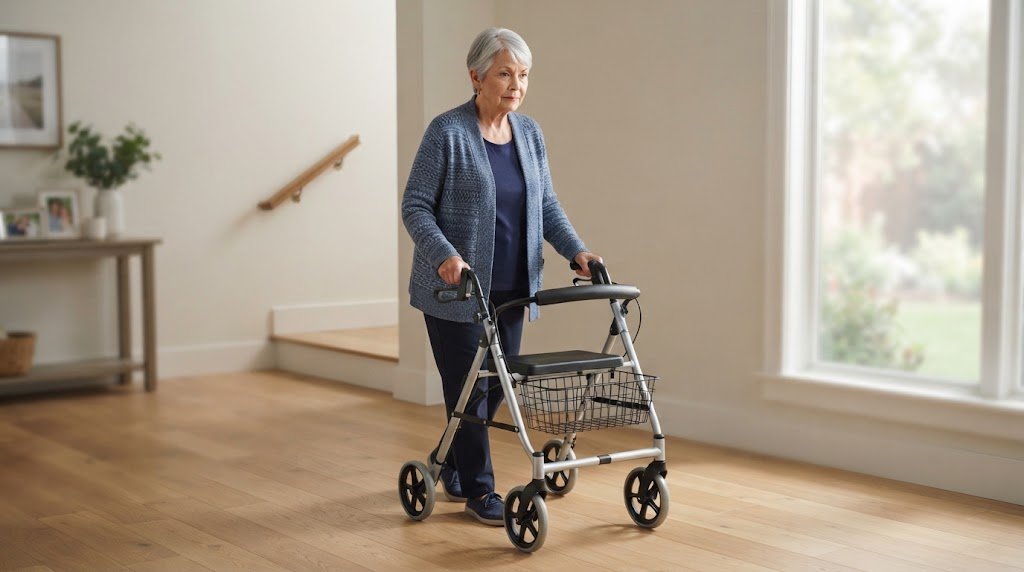
- Poor balance
- Muscle weakness, particularly in the legs
- Clutter or obstacles in walkways
- Loose rugs or slippery flooring
- Poor lighting, especially at night
- Uneven outdoor surfaces
- Improper or worn-out footwear
- Difficulty safely using stairs
Simple home-safety changes can meaningfully reduce these risks: securing or removing loose rugs, adding brighter lighting in hallways and staircases, installing grab bars in bathrooms, and keeping frequently used pathways clear. While mobility aids can offer valuable support, no single device or strategy can guarantee that a fall won’t happen — reducing fall risk works best as a combination of home safety, physical conditioning, and, where appropriate, the right equipment.
How to Improve Mobility in Older Adults
Many older adults can maintain or even improve their mobility with consistent, appropriate strategies. According to the National Institute on Aging, four types of exercise are especially valuable for older adults: endurance, strength, balance, and flexibility. Here’s how each piece fits into the bigger picture:
Regular Physical Activity
Staying appropriately active helps preserve strength, balance, endurance, and flexibility — all of which directly support mobility. Even light, consistent activity can make a meaningful difference over time.
Strength Exercises
Maintaining strength in the legs and core is one of the most effective ways to support standing, walking, and stair use. Resistance bands, light weights, or bodyweight exercises are all commonly used approaches, ideally guided by a professional.
Balance Exercises
Balance-focused activities, such as standing on one foot (with support nearby) or practices like tai chi, can help reduce unsteadiness over time. Because balance draws on multiple body systems, dedicated balance training is often especially useful.
Walking
Walking at a safe, comfortable pace — with a mobility aid if needed — helps maintain cardiovascular health and lower-body strength while keeping the body accustomed to regular movement.
Flexibility
Gentle stretching can help maintain range of motion in the joints, which supports easier, more comfortable movement throughout the day.
Proper Footwear
Supportive shoes with good traction and a proper fit can noticeably improve stability and comfort while walking.
Home Safety
Improving lighting, removing trip hazards, and adding supports like grab bars or non-slip mats can make everyday movement in the home significantly safer.
Professional Guidance
Physical therapists, occupational therapists, and physicians can assess individual mobility needs and design a plan tailored to a person’s specific strengths, limitations, and goals. Professional input is especially valuable before starting a new exercise routine or considering a mobility aid.
Mobility Aids for Older Adults
Mobility aids for seniors are tools designed to provide extra support, stability, or independence when walking or moving becomes difficult. The right choice depends entirely on the individual’s needs, so it helps to understand the basic categories.
Canes
Canes for seniors can offer a modest but meaningful amount of extra stability, particularly for people with mild balance concerns or weakness on one side of the body. Proper cane height and correct technique matter a great deal — a cane that’s the wrong height can actually make balance worse rather than better.
Walkers
Walkers provide considerably more stability than a cane, since they offer a wider base of support and contact points on both sides of the body. They’re often recommended for people who need more consistent support while walking.
Rollators
Rollators for seniors are a variation on the traditional walker, typically featuring wheels, hand brakes, a built-in seat, and sometimes a small storage basket. This design allows for a smoother, more continuous walking motion compared to a standard walker, along with a convenient place to rest during longer outings.
Wheelchairs
Wheelchairs for seniors may be appropriate for individuals who cannot safely or comfortably walk long distances, or who need additional support beyond what a walker or rollator provides. Manual wheelchairs are propelled by the user or a caregiver, while power wheelchairs use a motorized system for individuals who may not have the strength or stamina to self-propel.
Mobility Scooters
Mobility scooters for seniors can help people travel longer distances — for errands, appointments, or outings — when walking becomes difficult but the person doesn’t require a full wheelchair. When considering a scooter, it’s worth thinking through:
- Whether it will be used mainly indoors, outdoors, or both
- The turning space required in the home
- How portable or easy to transport the scooter is
- Battery range for typical outings
- Seating comfort and support
- Weight capacity
- How the scooter will be transported (car, van, public transit)
How to Choose the Right Mobility Aid
Choosing a mobility aid should be based on a person’s actual needs — not simply selecting the most advanced or full-featured option available. Helpful factors to consider include:
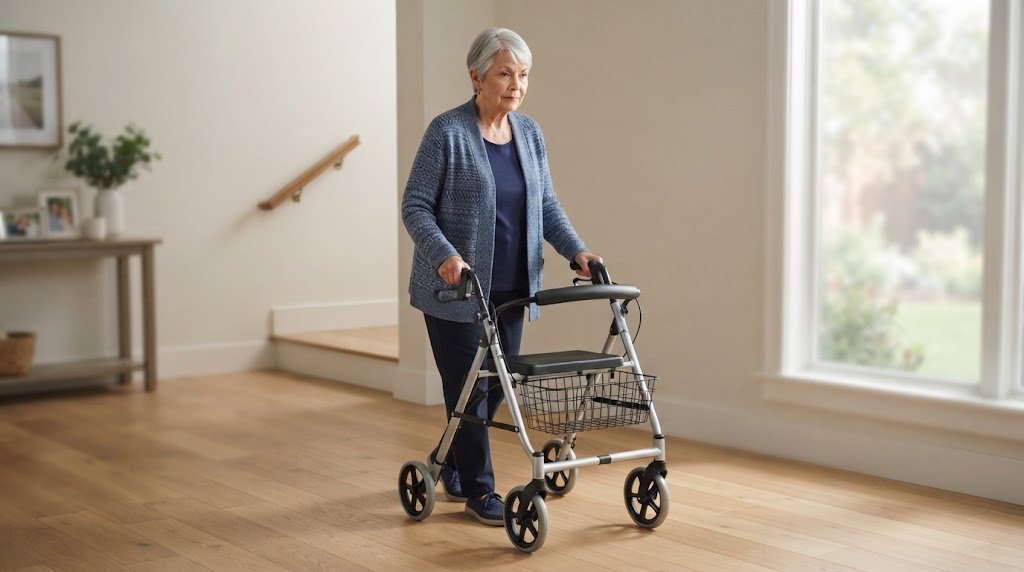
- How much balance support is needed
- Current walking ability and endurance
- Overall strength
- Where the device will primarily be used (indoors, outdoors, or both)
- The layout of the home, including doorways and hallways
- Outdoor terrain in the person’s neighborhood
- Transportation needs, including whether the device needs to fit in a vehicle
- Storage space at home
- How easy the device is to use day-to-day
- The weight of the device itself, especially if it needs to be lifted or folded
A healthcare professional — such as a physical therapist, occupational therapist, or physician — can perform a proper mobility assessment and recommend the option best suited to an individual’s needs. This kind of professional guidance is one of the most valuable steps in the process, since the “right” mobility aid is highly personal.
When Should an Older Adult Talk to a Healthcare Professional?
While some mobility changes happen gradually, certain signs deserve prompt attention from a healthcare provider:
- Mobility suddenly gets noticeably worse
- New difficulty walking that wasn’t present before
- Repeated falls, even minor ones
- New or significant weakness
- New dizziness or a sudden loss of balance
- Unexplained or significant pain
- Trouble performing normal daily activities that used to be manageable
- A previously stable mobility issue that becomes substantially worse
For sudden, severe, or rapidly worsening symptoms, seeking urgent medical attention is the safest course of action.
Practical Tips for Maintaining Independence
Small, consistent habits can go a long way toward supporting safe, independent movement:
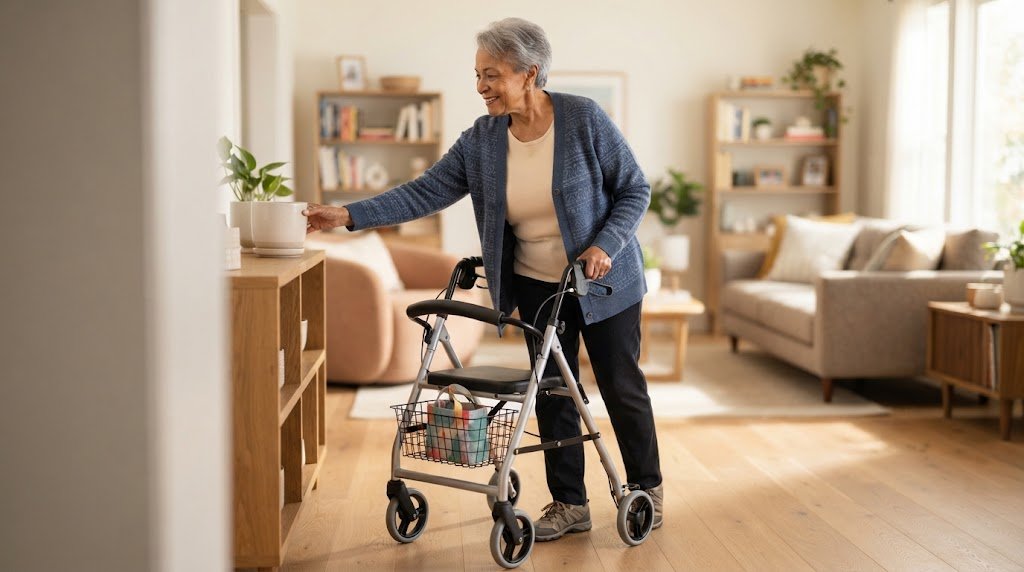
- Keep frequently used items within easy reach
- Remove trip hazards like loose rugs and clutter
- Improve lighting throughout the home, especially in hallways and stairwells
- Keep walking pathways clear at all times
- Wear supportive, well-fitting footwear
- Take rest breaks when needed rather than pushing through fatigue
- Stay physically active within personal limits and abilities
- Use mobility aids correctly and consistently, not just occasionally
- Ask for professional guidance whenever mobility changes
Frequently Asked Questions
What are the most common mobility problems in older adults? The most common issues include difficulty walking, balance problems, muscle weakness, joint stiffness, reduced endurance, difficulty standing up, trouble with stairs, and reduced coordination.
What causes mobility problems in the elderly? Mobility problems in the elderly can stem from age-related muscle loss, joint conditions, previous injuries, neurological conditions, vision changes, medication side effects, foot problems, and environmental factors. A healthcare professional can help identify the specific cause for an individual.
When should an older adult consider a mobility aid? A mobility aid may be worth considering when walking becomes unsteady, tiring, or unsafe, or after a healthcare provider recommends additional support following an assessment.
Is a cane or walker better for mobility problems? It depends on the level of support needed. Canes typically suit mild balance or weakness concerns, while walkers offer more substantial support for those who need it. A professional assessment can clarify which is more appropriate.
Can exercise improve mobility in older adults? Yes. Regular strength, balance, endurance, and flexibility exercises can help many older adults maintain or improve their mobility over time, especially when guided by a healthcare professional.
What mobility aid is best for poor balance? This varies by individual. Some people benefit from a cane, while others need the wider support base of a walker or rollator. A physical therapist can evaluate balance and recommend the most suitable option.
When should someone consider a wheelchair? A wheelchair may be appropriate when walking longer distances becomes unsafe or uncomfortable, or when other mobility aids no longer provide sufficient support. This decision is best made with input from a healthcare professional.
Can mobility scooters help older adults with walking difficulties? Mobility scooters can help some older adults travel longer distances when walking is difficult, particularly for errands or outings, though they aren’t the right fit for everyone. Individual needs and home/vehicle logistics should be considered.
How can I make my home safer for someone with mobility difficulties? Removing trip hazards, improving lighting, securing loose rugs, adding grab bars in bathrooms, and keeping walkways clear are all effective ways to make a home safer for someone with mobility difficulties.
CDC — Older Adult Fall Prevention (STEADI)
Conclusion
Mobility problems in older adults can have many different causes, and they often affect far more than just physical movement — they can influence independence, confidence, and everyday quality of life. The encouraging part is that mobility difficulties are rarely something to simply accept without question. Identifying changes early, staying appropriately active, making the home environment safer, and choosing the right mobility aid when needed can all help older adults continue to move through their day with more confidence and independence.
If mobility feels different than it used to, that’s worth paying attention to — and worth talking about with a healthcare professional who can help chart the best path forward.