
Causes of Elderly Losing Balance: 10 Common Reasons

Causes of Elderly Losing Balance: 10 Common Reasons
Balance problems become more common with age, but that doesn’t mean they should be brushed off as “just getting older.” Understanding the causes of elderly losing balance is the first step toward addressing them safely and effectively — and in many cases, the underlying issue can be identified and managed.
Good balance is about far more than avoiding a stumble. It affects nearly every part of daily life, including:
- Walking safely across a room or down the sidewalk
- Getting around the home without assistance
- Using stairs confidently
- Going outdoors and running errands
- Maintaining independence in day-to-day routines
- Reducing the risk of a serious fall
When balance starts to feel unsteady or unreliable, it’s worth taking a closer look at what might be causing it. Below, we break down ten of the most common contributors to balance problems in older adults, along with guidance on when to seek medical care and how to reduce fall risk going forward.
10 Common Causes of Balance Problems in Older Adults
1. Muscle Weakness
As people age, it’s natural to lose some muscle mass and strength, a process sometimes called sarcopenia. This loss tends to be most noticeable in the legs, hips, and core — the very muscle groups responsible for keeping the body upright and stable. Weaker leg muscles can make it harder to catch oneself after a stumble, while a weaker core can affect posture and overall stability while standing or walking. Over time, this decline in strength is one of the leading causes of balance problems in elderly adults.
2. Vision Problems
Vision plays a critical role in balance because the eyes help the brain judge distance, depth, and the location of obstacles. Age-related eye conditions such as cataracts, glaucoma, and macular degeneration can reduce clarity, narrow the field of vision, or make it harder to judge depth accurately. Poor depth perception can lead to misjudging a step or curb, while difficulty seeing in low light can make navigating stairs or dim hallways more hazardous.
3. Inner Ear and Vestibular Problems
The inner ear houses the vestibular system, which sends the brain constant information about head position and movement. When this system isn’t functioning properly, it can result in a spinning or unsteady sensation known as vertigo. Vestibular disorders can affect people of any age, but they become more common in older adults and are a frequent, often overlooked, cause of balance issues in seniors.
4. Medication Side Effects
Many commonly prescribed medications — including those for blood pressure, anxiety, sleep, or pain — can cause side effects such as dizziness, drowsiness, blurred vision, or drops in blood pressure. Taking multiple medications at once can increase this risk further. If a senior notices new or worsening balance problems after starting or adjusting a medication, it’s important to bring this up with a doctor or pharmacist rather than stopping or changing the medication independently.
5. Low Blood Pressure and Dizziness
Orthostatic hypotension is a sudden drop in blood pressure that can occur when a person moves from sitting or lying down to standing. This quick change can temporarily reduce blood flow to the brain, causing lightheadedness, blurred vision, or a brief feeling of instability. It’s a common but often under-recognized reason older adults may feel wobbly, especially first thing in the morning or after getting up too quickly.
6. Nerve Problems and Reduced Sensation
Conditions such as peripheral neuropathy, which is often linked to diabetes or other health conditions, can reduce sensation in the feet and legs. Since the body relies heavily on feedback from the feet to sense the ground and adjust posture, reduced sensation can make it much harder to maintain stable footing, particularly on uneven or unfamiliar surfaces.
7. Arthritis and Joint Problems
Arthritis and other joint conditions can cause pain, stiffness, and reduced range of motion in the knees, hips, ankles, or feet. These changes often lead people to unconsciously alter how they walk in order to avoid discomfort, which can affect overall balance and gait stability. Joint problems are a major contributor to senior balance problems, particularly when multiple joints are affected at once.
8. Neurological Conditions
Certain neurological conditions can affect coordination, muscle strength, and the way the brain processes balance-related signals. These effects can vary widely from person to person, and this article isn’t intended to diagnose any individual’s symptoms. If balance changes seem connected to broader coordination or movement difficulties, this should be evaluated by a healthcare professional.
9. Dehydration and Nutritional Problems
Older adults are more prone to dehydration, sometimes because the sense of thirst becomes less reliable with age. Dehydration, along with inadequate nutrition, can contribute to fatigue, muscle weakness, and dizziness, all of which can affect balance. Ensuring adequate fluid intake and a well-rounded diet supports both overall health and stability.
10. Home and Environmental Hazards
Sometimes the issue isn’t the person’s balance alone — it’s the environment around them. Common household hazards include:
- Loose rugs or uneven flooring
- Clutter in walkways
- Poor lighting, especially on stairs
- Wet or slippery floors
- Uneven outdoor surfaces
- Stairs without secure handrails
- A lack of grab bars in bathrooms
Identifying and addressing these hazards is one of the most practical ways to reduce fall risk, even when other underlying causes are also present.
When Should an Older Adult See a Doctor About Balance Problems?
Occasional unsteadiness can happen to anyone, but recurring, worsening, or unexplained balance problems deserve a proper medical evaluation. A healthcare provider can help identify the underlying cause and recommend appropriate next steps.

Sudden loss of balance is especially important to take seriously, particularly when it occurs alongside symptoms such as:
- Sudden weakness or numbness
- Difficulty speaking
- Severe dizziness
- Fainting
- Chest pain
- Severe headache
- New confusion
- Difficulty walking
These combinations of symptoms may signal a medical emergency and warrant urgent attention. This article is intended for general educational purposes and is not a substitute for a medical diagnosis. If balance problems are new, sudden, or accompanied by any of the symptoms above, seek prompt medical care.
How Can Seniors Improve Balance and Reduce Fall Risk?
While the right approach depends on the underlying cause, there are several general, widely recommended steps that can support better balance and lower fall risk:
- Practicing regular strength and balance exercises, ideally under professional guidance
- Walking at a safe, comfortable pace and using caution on unfamiliar terrain
- Scheduling regular vision checkups and updating eyewear as needed
- Reviewing all medications periodically with a doctor or pharmacist
- Staying adequately hydrated throughout the day
- Wearing supportive, properly fitting shoes rather than loose slippers or worn-out footwear
- Removing trip hazards such as loose rugs and clutter from walkways
- Improving lighting throughout the home, especially near stairs
- Installing grab bars in bathrooms and other high-risk areas
- Using an appropriate mobility aid when one has been recommended
A physical therapist or other healthcare professional can perform a balance assessment and design a personalized exercise plan or recommend suitable equipment based on individual needs.
Can Mobility Aids Help With Balance Problems?
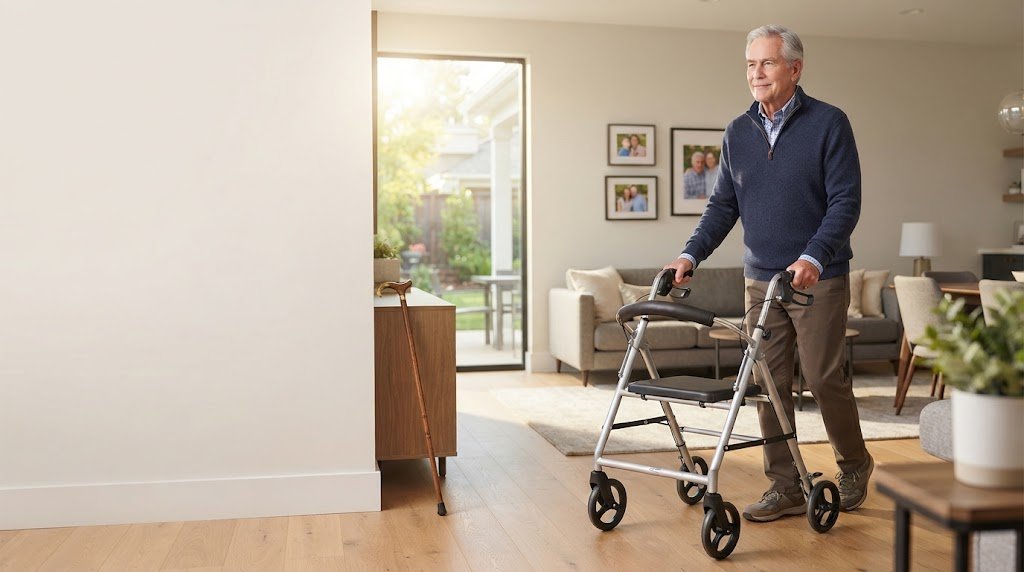
Mobility aids don’t treat the underlying medical cause of a balance problem, but they can provide meaningful extra support and confidence for many older adults as they move through their day. Common options include:
- Canes, which offer light support and improved stability for those with mild balance concerns
- Walkers, which provide a wider base of support for individuals who need more assistance
- Rollators, which combine wheels, a seat, and handbrakes for those who want mobility support with the option to rest
- Other mobility aids, tailored to specific needs such as limited stamina, joint pain, or coordination difficulties
The right mobility aid depends on the individual’s specific needs, living environment, and level of balance impairment. Whenever possible, choosing a mobility aid with guidance from a doctor or physical therapist helps ensure it’s properly fitted and appropriate for the situation.
Frequently Asked Questions
Why do older adults suddenly lose their balance? Sudden balance loss can result from a variety of causes, including inner ear problems, medication side effects, drops in blood pressure, or neurological issues. Because sudden balance changes can sometimes signal a serious medical event, it’s important to seek prompt evaluation, especially if other symptoms are present.
Is losing balance a normal part of aging? Some decline in balance is common with age due to changes in muscle strength, vision, and the vestibular system. However, frequent, worsening, or unexplained balance problems are not something to simply accept — they often have identifiable, manageable causes.
What are the most common causes of balance problems in seniors? Common causes include muscle weakness, vision changes, inner ear or vestibular disorders, medication side effects, low blood pressure, nerve problems, arthritis, neurological conditions, dehydration, and environmental hazards at home.
Can poor eyesight cause an elderly person to lose balance? Yes. Vision helps the brain judge depth, distance, and obstacles. Reduced vision from conditions like cataracts or glaucoma can make it harder to move safely and maintain stable footing.
Can medications cause balance problems in older adults? Some medications can cause dizziness, drowsiness, or blood pressure changes that affect balance. Anyone noticing new balance issues after starting a medication should speak with a doctor or pharmacist rather than adjusting the medication on their own.
What can seniors do to improve their balance? Helpful steps include regular strength and balance exercises, routine vision checkups, medication reviews, proper hydration, supportive footwear, and reducing hazards around the home.
Can a walker help an elderly person with balance problems? A walker can provide additional stability and confidence for someone with balance difficulties, though it does not address the underlying cause. A healthcare professional can help determine whether a walker or another mobility aid is the right fit.
When should balance problems in an older adult be evaluated by a doctor? Balance problems that are new, recurring, worsening, or accompanied by symptoms like confusion, severe dizziness, weakness, or difficulty speaking should be evaluated promptly by a healthcare professional.
Conclusion
Balance problems in older adults rarely come down to a single cause. More often, they result from a combination of factors — muscle strength, vision, inner ear function, medications, and even the home environment all play a role. Identifying the specific cause (or causes) behind a loved one’s unsteadiness is an important step toward addressing it safely and effectively.
Taking recurring balance problems seriously, rather than dismissing them as an inevitable part of aging, can make a meaningful difference in preventing falls and preserving independence. Small, proactive changes — from a home safety check to a conversation with a doctor — often go a long way.
For more resources on safe mobility, explore our guides on choosing the right mobility scooter, comparing rollators and walkers, and practical fall prevention strategies for the home. Senior Mobility Care is here to help older adults and their families move through everyday life with greater safety, comfort, and confidence.