

Table of Contents
- Introduction
- What Is a Standard Walker?
- Key Features of a Standard Walker
- Who Can Benefit From a Standard Walker?
- Benefits of Using a Standard Walker
- Possible Limitations of a Standard Walker
- Standard Walker vs Rollator
- Standard Walker vs Cane
- How to Use a Standard Walker Safely
- Standard Walker Safety Tips
- Maintenance and Care
- Conclusion
Introduction
As you get old, tasks that you used to perform easily in your youth such as moving around a room, stepping on a curb, or rising from a chair can start to produce a sensation of instability. However, even though many people experience this problem with aging, it does not mean that you have to accept it as inevitable and let it prevent you from leading an active lifestyle.
In order to help you, there is an elderly walker that is one of the most efficient means of mobility aids existing nowadays. A walker gives you an extra sense of stability during each step and can become your loyal companion wherever you want to go.
This guide will tell you about a standard walker, its principle of action, people that should use it, and ways to use it effectively.
What Is a Standard Walker?
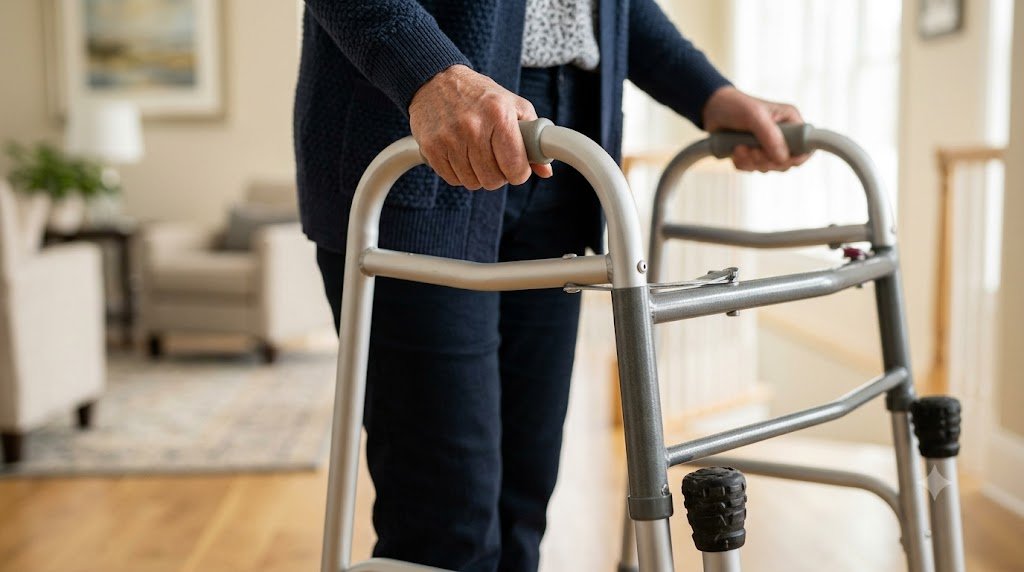
A standard walker is a lightweight mobility aid made of a metal frame with four legs, each fitted with rubber tips for grip and stability. Unlike wheeled devices, a standard walker has no wheels at all. Instead, the user lifts it slightly and moves it forward with each step, creating a steady base of support on all four points.
Main parts of a standard walker include:
- Frame: Usually made from lightweight aluminum for easy handling
- Handles: Positioned at hip height for a natural, comfortable grip
- Legs: Four sturdy legs that provide a wide, stable base
- Rubber tips: Placed on the bottom of each leg to prevent slipping
Because it doesn’t move on its own, a standard walker offers a very high level of stability compared to other walking aids. This makes it a popular choice among adult walker options for seniors who need firm, dependable support while walking.
Key Features of a Standard Walker
Standard walkers used by the elderly are characterized by their ease of use and safety considerations. Some common characteristics are:
- Frame made light for easy lifting and maneuvering
- Adjustable height according to user’s posture and arm length
- Folding mechanism for easy storage and transportation
- Four-point stability compared to the single-point stability of canes
- Cushioned handles reducing strain on hands and wrists
- Sturdy build able to withstand regular use
- Convenient storage, easily stored in a closet, vehicle, or by the side of a chair
All these characteristics work together to give the standard walker a functional role as a mobility walker.
Who Can Benefit From a Standard Walker?
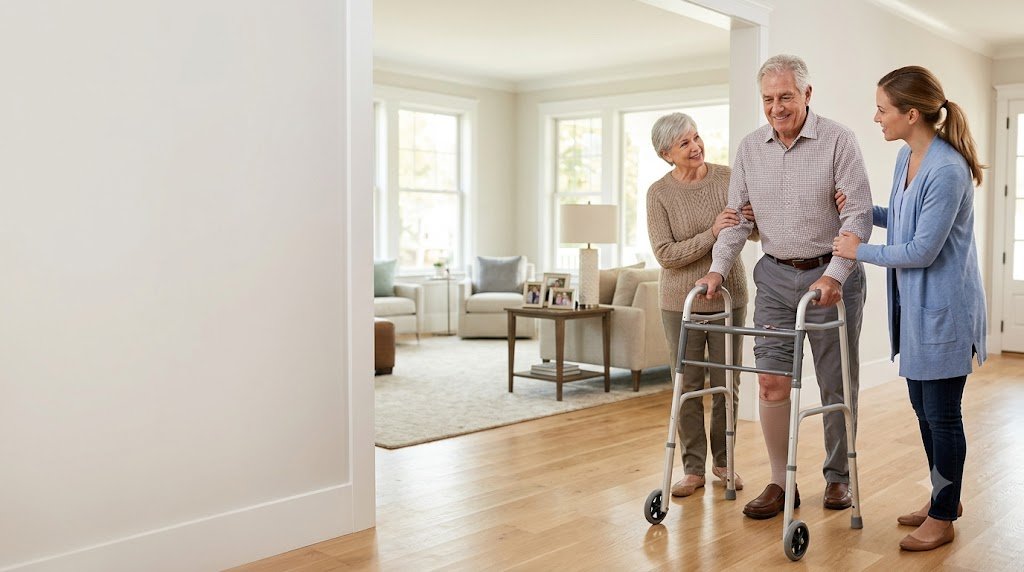
A standard walker is beneficial for anyone, not for a particular category of people only. Some of the categories of people that may find a walker useful include:
- Senior citizens who have difficulties with balance while moving around on their own
- Senior citizens who have suffered an injury or undergone surgery in areas such as hips, knees or legs
- People who need additional assistance while walking because of fatigue or weakness
- People who suffer from some sort of immobility but wish to remain independent and active at the same time
If you are unsure whether a standard walker will suit your needs or not, then talk to your doctor or physical therapist.
Benefits of the Standard Walker
Proper selection of mobility aids is important for seniors. There are some of the possible benefits that come with using the standard walker including the following:
- Stability when standing and walking
- Increased confidence when moving around both at home and outside
- Assistance when performing daily activities like going to the kitchen or the toilet
- Reduction of chances of becoming unbalanced when moving around
- Independence of being able to walk without help from others all the time
These benefits will allow the senior individuals to do whatever pleases them.
Possible Limitations of a Standard Walker
Even though a typical walker is very stable, there are some cases where it is not suitable. These include the following:
- The user will have to lift the walker while moving, an activity that might not suit everyone
- It is likely to be slower compared to wheeled walkers such as rollators
- There must be the right technique when using it
- Not ideal in every mobility scenario due to the need for constant movement in some cases
How to Use a Standard Walker Safely
Using a standard walker correctly is important for both safety and comfort. Here are the basics:
1. Adjusting the correct height The handles should sit at approximately wrist height when your arms are relaxed at your sides. This allows for a slight, natural bend in the elbows while gripping the walker.
2. Proper standing position Stand within the frame of the walker, not behind it. Keep your posture upright rather than leaning forward.
3. Moving step-by-step Lift the walker and place it a short distance ahead. Step forward with your weaker or more affected leg first, followed by the other leg, keeping the walker steady throughout.
4. Avoiding unsafe movements Avoid rushing, reaching too far ahead with the walker, or turning too quickly. Slow, steady movements help maintain balance and reduce fall risk.
Practicing these steps with a caregiver, physical therapist, or healthcare provider can help build confidence and good habits.
Standard Walker Safety Tips
Small things can go a long way when it comes to safety:
- Remove home dangers such as rugs, cords, or clutter from areas where you walk.
- Inspect the rubber tips and replace them if they’re worn or cracked.
- Wear shoes that have good traction on their soles rather than wearing socks or slippers.
- Ensure the walker is always near by, especially when standing up after sitting down in a chair or a bed.
- Consult a doctor or physical therapist if you need expert advice.
Using these safe walking assistance techniques will help prevent accidents.
Maintenance and Care
Like any mobility support device, a standard walker benefits from regular upkeep:
- Cleaning the frame with a damp cloth to remove dust and buildup
- Checking screws and joints periodically to make sure everything is secure
- Replacing worn rubber tips as soon as they show signs of wear
- Safe storage in a dry area, folded if not in daily use
Conclusion
A standard walker able to provide significant support, confidence, and balance when a senior needs help with movement. Despite its simplicity, a walker is a highly reliable walking aid due to its lightweight and adjustable construction.
Just as in other cases related to mobility, it is best to consult with a healthcare provider regarding the appropriateness of using a walker or another walking aid device for a certain person.