
Table of Contents
- Introduction
- What Is a Two-Wheel Walker?
- How Does a Two-Wheel Walker Work?
- Key Features of a Two-Wheel Walker
- Who Can Benefit From a Two-Wheel Walker?
- Benefits of Using a Two-Wheel Walker
- Possible Limitations of a Two-Wheel Walker
- Two-Wheel Walker Safety Tips
- Maintenance and Care
- Two-Wheel Walker vs Other Walker Types
- Conclusion
Introduction
Walking independently is one of the most vital aspects of aging healthily. Many senior citizens undergo changes in their ability to maintain balance or strength which leads to difficulties in moving around safely in their daily life activities. A good walking aid will ensure sufficient assistance to move around safely within the household or the community.
A Two-Wheel Walker is one of the most commonly used walking aids by seniors due to its stability along with ease of movement. It has front wheels that help the user to roll it forward as opposed to a walker which needs to be lifted with each step while moving.
This type of senior citizens’ mobility aid will help them perform their daily activities better along with boosting their confidence levels.
What is a Two Wheel Walker?
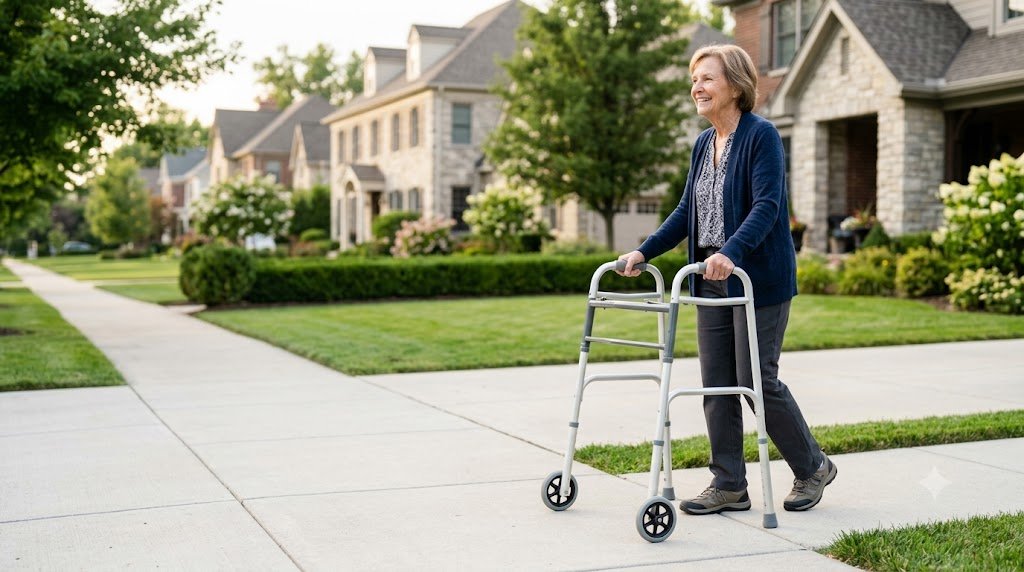
A Two Wheel Walker, which is sometimes called a front wheel walker or two wheeled walker, is a mobility aid that enables seniors and adults to walk with more stability.
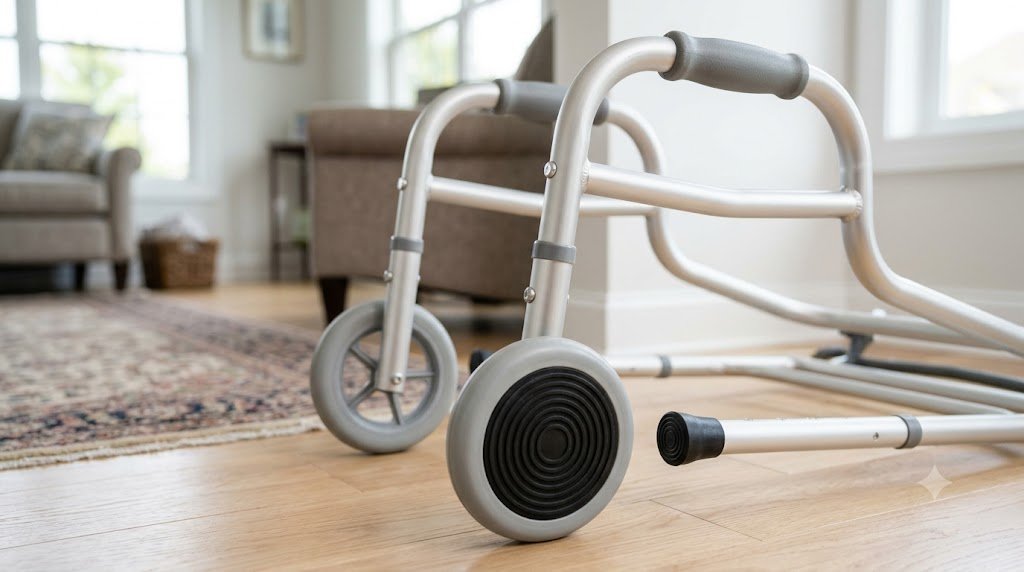
It has the following components:
- Two wheels attached to the front legs
- Two rubber tips on the back legs
- Lightweight metal frame
- Comfortable hand grips
- Height adjustable
With the presence of the front wheels, one can push the walker forward without having to raise the walker frame off the ground at all. This makes the two wheel walker better for many seniors than regular walkers.
Two Wheel Walker is usually seen as an intermediate solution between regular walker and a four wheel rollator.
How Does a Two-Wheel Walker Work?
A two-wheel walker works by allowing the user to push the device forward while walking behind it.
The front wheels roll smoothly across surfaces, while the rear rubber tips help keep the walker stable when weight is placed on the frame.
The basic walking process includes:
- Stand upright while holding the handles.
- Push the walker slightly forward.
- Step forward carefully while maintaining balance.
- Repeat the movement slowly.
Because the walker does not need to be lifted completely, it may require less upper-body effort compared with a standard walker.
Key Features of a Two-Wheel Walker
A quality two-wheel walker includes several features designed for comfort and safety.
Front Wheels for Natural Movements
Front wheels allow for natural movement in a walker. It is especially useful for older people because they experience difficulties carrying a normal walker.
Light Weight
All two-wheel walkers are made from light-weight aluminum.
Adjustable Height
An adjustable walker enables users to adjust handle height in accordance with their body dimensions.
It is important to note that proper height adjustment can help with developing good posture and safe movements.
Rear Rubber Tips
Rear rubber tips ensure stability and prevent any uncontrolled movements caused by additional pressure.
Good Hand Grips
Properly shaped handles make hands comfortable when using a walker.
Folding Design
Many of them can be easily folded.
Who Can Benefit From a Two-Wheel Walker?
A two-wheel walker can be helpful for many older adults who need additional mobility support.
Seniors With Balance Challenges
Older adults who feel unsteady while walking may benefit from the added stability of a walker for seniors.
Adults Recovering From Injury
Some people use a two-wheel walker temporarily while rebuilding strength and confidence after an injury.
Seniors Who Find Standard Walkers Difficult
Because the front wheels reduce lifting, this type of medical walker can be easier to move.
Older Adults Wanting More Walking Confidence
A reliable walking assistance device can help seniors feel more comfortable performing daily activities.
Benefits of Using a Two-Wheel Walker
Smoother Travel
It is easier to travel forward than in those walkers which require being lifted.
Improved Mobility
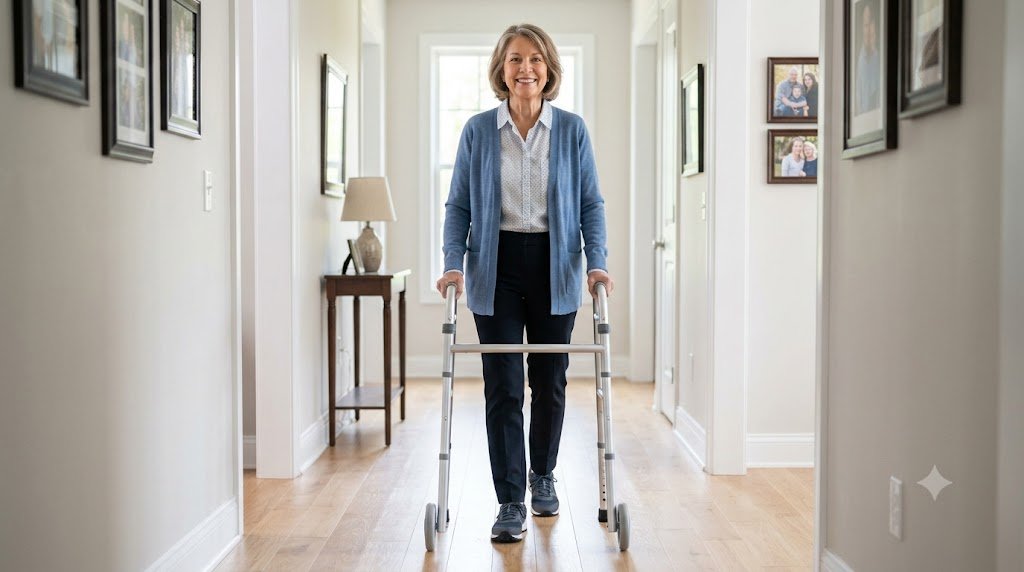
This type of walker might be easier to maneuver through furniture and hallways indoors.
Improved Confidence
Senior citizens often feel safer having reliable walking aid.
Lightweight and Easily Transportable
They are easy to carry around because most of the models are foldable.
Helps to Remain Independent
A walker might enable older people to continue their routine such as walking inside the house or going shopping.
Possible Limitations of a Two-Wheel Walker
Although a two-wheel walker provides many benefits, it may not be suitable for everyone.
Less Stable Than a Standard Walker
A standard walker provides maximum stability because all four legs remain stationary during movement.
Requires Proper Technique
Users need to learn how to safely push and step with the walker.
Not Ideal for Every Surface
Uneven outdoor surfaces may require extra caution.
Requires Regular Maintenance
Wheels and rubber tips should be
Two-Wheel Walker Safety Tips
Adopting proper safety practices will enhance the performance of a walker.
- Adjust Walker Height Properly Ensure handles are at a comfortable height for you to be able to stand straight.
- Walk Slowly Do not rush or take large strides.
- Check the Condition of the Wheels and Tips Wear and tear may decrease stability.
- Keep Walking Surfaces Free from Obstacles Take away any rugs or obstructions that could cause a trip.
- Wear Proper Footwear Suitable footwear increases stability.
- Keep Proper Posture Do not lean heavily on your walker.
Maintenance and Care
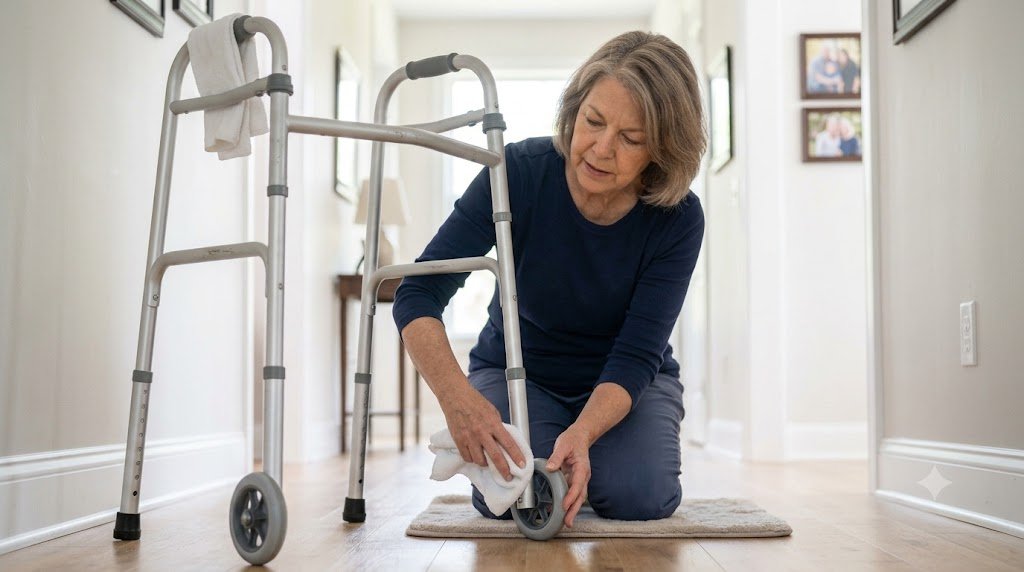
Regular care helps keep a two-wheel walker safe and comfortable.
Clean the Frame
Wipe the frame regularly with a soft cloth.
Inspect Wheels
Check that front wheels roll smoothly.
Replace Worn Rubber Tips
Damaged tips may reduce grip.
Check Folding Locks
Make sure folding mechanisms stay secure.
Store Properly
Keep the walker in a dry location away from damage.
Conclusion
The Two-Wheel Walker can be an ideal walking solution for older individuals in need of extra assistance when walking and yet wanting to stay independent. This type of walker has front wheels making it easier to move compared to the conventional walker, but it also has rear legs giving stability.
For many older people, this kind of mobility walker is the right combination of safety and convenience.
Selecting the right walking device is determined by personal mobility requirements, ability to maintain balance and lifestyle. With the right adjustments and maintenance, a two-wheeled walker can become an important tool in ensuring safe and confident walking.