
Learning how to choose a walker is one of the most important steps for seniors and caregivers who want to improve mobility, safety, and independence. The right walker can provide better balance, reduce the risk of falls, and make everyday activities easier and more comfortable.
With so many types of walkers available, choosing the best one can feel overwhelming. Some seniors may benefit from a standard walker after surgery or during rehabilitation, while others may prefer a wheeled walker or rollator with a seat for greater mobility and convenience during longer walks or outdoor activities.
Understanding how to choose a walker involves more than selecting a style. You’ll need to consider the user’s mobility level, height, weight capacity, home environment, and daily routine. In this complete guide, you’ll learn about the different types of walkers, key features to compare, proper sizing, essential safety tips, and expert advice to help you choose the best walker for your needs and maintain an active, independent lifestyle
Table of Contents
- What Is a Walker?
- Types of Walkers
- Key Walker Features to Consider
- How to Choose the Right Walker
- Who Can Benefit From a Walker?
- Possible Limitations of Walkers
- Walker Safety Tips
- Walker Maintenance and Care
- Frequently Asked Questions
- Conclusion

What Is a Walker?
A walker is a lightweight frame which provides additional stability and support while walking. It serves to offer a bigger and more reliable base of support than an individual can provide using only their own body. This ensures a higher level of walking safety, reduces the likelihood of falls, and makes the movement itself easier and more comfortable.
In general, there are three types of walking aids, including canes, rollators, and walkers. The latter is believed to be the most reliable frame in terms of additional support, which makes it perfect for people who need assistance but do not have to rely on wheelchairs as well.
Thus, it may seem that in order to choose the most appropriate aid, a person has to understand the subtle differences between such frames. For example, when comparing walkers to canes, the latter provide only a small amount of additional support but are suitable for people with limited abilities. Walkers, in their turn, serve a much more reliable base of support, so they are better suited for individuals with more serious problems.
When comparing walkers to rollators, the last ones feature wheels and a place to sit, which allows the user to reduce the efforts put into moving. Unlike rollators, standard walkers require the person to lift the frame up with each step, which makes them suitable for less active seniors. Understanding the characteristics in terms of the most common senior aids is a necessary step in choosing the best option.
Types of Walkers
Various types of walkers are available, and each has its purpose, working environment, and level of functionality.
Standard Walkers
have a four-legged frame, making it very stable and allowing little movement. They can be used by people who have a significant support need but also considerable mobility potential. A standard walker is best suited for indoors due to the limited ability to move around obstacles. They are relatively light, making them ideal for small spaces such as hallways or bathrooms.
Folding walkers
Folding walkers are designed with convenience and portability in mind. Their collapsible frame makes them easy to store in a closet, car trunk, or under a bed, which is especially helpful for seniors who travel or visit family often. Despite folding down compactly, most models still offer the same sturdy support as non-folding versions, making them a practical everyday choice.
Wheeled Walkers
Provide the most mobility and support. Walkers of this type only have wheels at the front, allowing the user to propel themselves forward with less effort. It makes wheeled walkers the go-to option for senior citizens with lesser upper body strength. However, wheeled walkers provide less overall stability than the standard model, making them best suited for indoor use on smooth floors.
Rollator walkers
Have four wheels, brakes, and a built-in seat, allowing seniors to take breaks while being on the move. Rollators are the preferred choice of many active seniors, as the option to sit down is incredibly useful in various real-life scenarios. The rollator walker is ideal for outside use, including shorter trips or longer walks in the park.
Key Walker Features to Consider
When picking out a walker, beyond the basic types, you’ll want to check out some specific things that make a difference in how comfortable, safe, and easy it is to use.
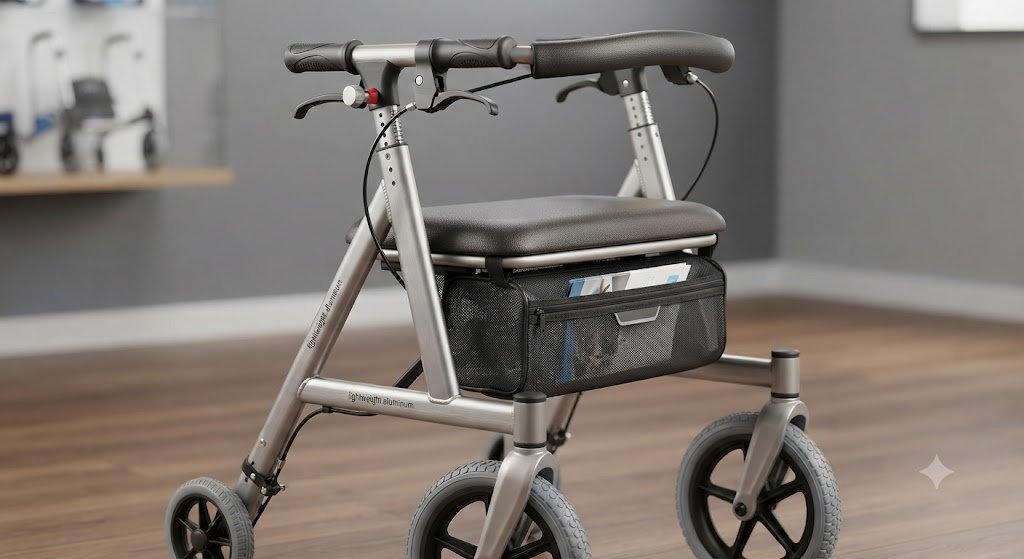
First up is how you adjust the height. You can set the handles on an adjustable walker to the right height for how you stand. If the handles are too low, you might find yourself hunching over. If they’re too high, your shoulders could get strained. Getting the height just right helps you walk more naturally and upright, which cuts down on unnecessary strain.
Then there’s the weight and how easy it is to move around. Walkers that are on the lighter side are simpler to pick up, carry, and steer. This is a big deal if you don’t have a lot of strength, or if you need to move the walker in and out of a car often.
Handle comfort is another key point. Grips that are shaped well and have some soft padding can cut down on the pressure on your hands and wrists. This is especially good news if you have arthritis or sensitive joints, as it makes it possible to use the walker for longer periods without discomfort.
Don’t forget about the wheels and brakes. How smoothly a walker rolls depends a lot on the wheel size and the surface you’re on. Bigger wheels usually handle outdoor ground better, while smaller ones are often fine for just walking around inside. For rollators, the hand brakes are a really important safety feature. They let you control your speed and keep steady, particularly when you’re going down a hill.
Lastly, check out the seat and any storage options. A lot of rollators come with a built-in seat, which is great for taking a break when you’re out and about. They often have storage baskets or bags too, so you can bring along small things you need. These extra features can make things much more convenient if you’re spending a good amount of time away from home.
Choosing the right walker
is about more than just the look of it; you need to think about what you need, what feels comfortable, and your home.
First, figure out how much help you need with balance. Think about how far you usually walk and if you’ll use the walker mostly inside, outside, or both. If balance is a big issue, a basic walker might offer the most stability. If you just want a little more confidence when you’re out and about, a rollator could work well.

Next, pick the type of walker that fits best. This is pretty important. A standard walker gives the most support if you need something solid to lean on. A rollator is good for people who are still pretty active and want to keep moving without having to pick up the walker. A walker that folds up is great if you travel a lot or don’t have much space to store it at home.
Then, think about comfort. Check how high the handles are, if the grips feel good, how much the walker weighs, and how easy it is to move. A walker that’s comfortable for older folks should feel natural to hold and be easy to push or lift.
Finally, consider your home. Measure your doorways to make sure the walker can fit through easily. Also, think about the floors in your house – carpet, tile, or wood can all make a difference in how smoothly the walker rolls. And don’t forget to figure out where you’ll keep it when you’re not using it.
Who Can Benefit From a Walker?
Walkers offer meaningful support for a wide range of people, including:
- Seniors experiencing balance concerns during everyday movement
- Older adults recovering mobility after surgery, injury, or illness
- Individuals who feel unsteady or fatigued while walking longer distances
- People who want extra confidence and support while staying active
- Caregivers who want to help a loved one maintain independence safely
For many, a walker isn’t just a mobility tool — it’s a way to continue doing the things they enjoy, from visiting friends to walking around the neighborhood.

Possible Limitations of Walkers
Although walkers provide several advantages, it is useful to be aware of certain limitations of walkers:
- Walkers have to be adjusted to the right height of the patient for maximum comfort and safety.
- Storage space is required.
- Some time may be needed by new patients for training on the right walking technique.
- Normal walkers are hard to operate on rugged surfaces.
- Incorrect choice and adjustment decrease their efficiency and comfort.
Walker Safety Tips
Following a few simple walker safety tips can make a significant difference in everyday use:
- Adjust the walker height so handles line up with the wrists when arms hang naturally at the sides.
- Maintain an upright posture and avoid leaning too far forward.
- Wear supportive, non-slip footwear rather than loose slippers or sandals.
- Clear walkways of rugs, cords, and clutter that could cause tripping.
- Regularly check the walker for loose parts or worn rubber tips.
- Use hand brakes carefully and consistently when using a rollator, especially on slopes.
Walker Maintenance and Care
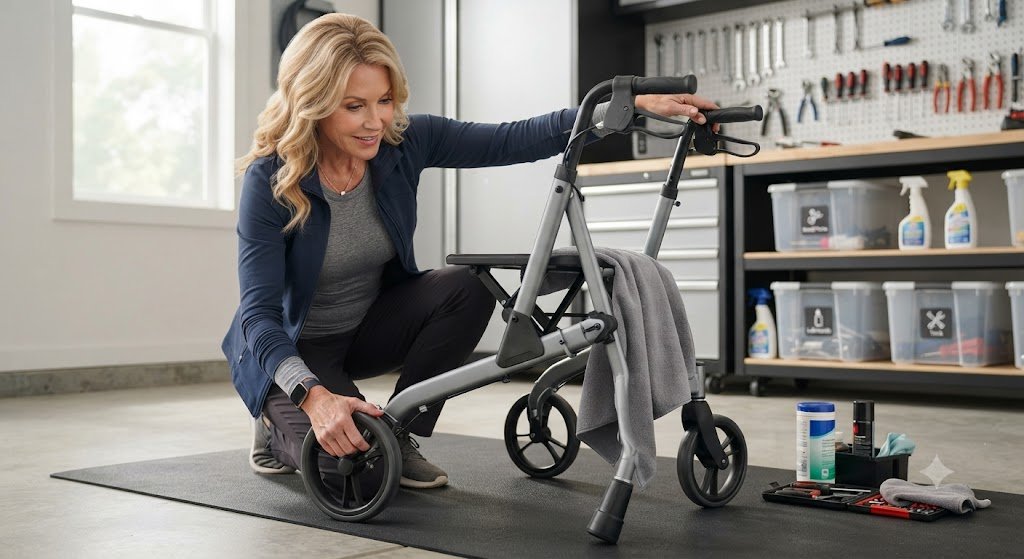
Regularly attending to the maintenance of the walker can keep it in proper working condition for many years to come:
- Always ensure that the frame is wiped down properly to remove dirt and dust from it.
- Inspect the rubber tips of the walker to see if they have become worn out. Replace them once the surfaces have become worn smooth.
- Be sure to check the wheels to confirm they are rolling well and do not have any stuck objects in them.
- Ensure that the nuts and bolts are tight enough and adjust them when needed.
- Take some time to regularly check the brakes of the walker as well to confirm they have proper functioning ability.
A small amount of regular care goes a long way toward keeping a walker safe and dependable.
Frequently Asked Questions
1. What is the best walker for seniors? The best walker depends on individual needs. Standard walkers suit those needing maximum stability, while rollators work well for active seniors who want to keep moving without lifting the frame.
2. How do I choose the right walker? Consider mobility needs, walker type, comfort features like handle height and weight, and your home environment, including doorway widths and flooring.
3. What is the difference between a walker and a rollator? A standard walker must be lifted and moved forward with each step, offering maximum stability. A rollator has wheels and often a seat, allowing continuous rolling movement.
4. Are folding walkers good for seniors? Yes, folding walkers offer the same core support as standard models while being easier to store and transport, making them great for travel or smaller living spaces.
5. How do I adjust a walker correctly? Handles should be set so they align with the wrist when the arms hang naturally at the sides, allowing for a comfortable, upright posture.
6. Are wheeled walkers safe for elderly users? Yes, wheeled walkers are safe when used correctly and are especially helpful for users with limited upper body strength, since they reduce the need to lift the frame.
7. How often should walkers be maintained? Walkers should be checked regularly — ideally every few weeks — for loose parts, worn tips, and smooth-rolling wheels, with immediate attention given to any issues found.
8. Which walker is best for outdoor use? Rollator walkers are generally best for outdoor use thanks to their wheels, hand brakes, and built-in seating for rest during longer outings.
Conclusion
Knowing how to choose a walker is essential for improving safety, mobility, and independence as you age. By understanding the different types of walkers, selecting the correct size, evaluating important safety features, and matching the walker to your daily lifestyle, you can make a confident and informed decision.
Whether you need a standard walker for maximum stability or a rollator for greater freedom and comfort, taking the time to choose the right walker can make everyday activities easier and help reduce the risk of falls. Use this guide as your trusted resource for how to choose a walker, compare your options carefully, and consult a healthcare professional if you need personalized advice. The right walker can provide the support you need to stay active, confident, and independent for years to come.