

Mental Health for Elderly: Common Challenges, Support, and Ways to Improve Well-Being
Introduction
Growing older brings wisdom, freedom, and often a well-earned slower pace of life. But it can also bring changes that are harder to talk about: the loss of a spouse, a diagnosis that limits mobility, or simply the quiet ache of days spent alone. Mental health for elderly adults deserves the same attention we give to physical health, yet it’s often the part of aging that gets overlooked.
At Senior Mobility Care, we believe healthy aging is about more than physical safety and independence—it’s about emotional well-being too. This article looks honestly at the common mental health challenges older adults face, why they’re so easy to miss, and what families, caregivers, and seniors themselves can do to build a life that feels connected, purposeful, and supported.
What Is Mental Health in Late Adulthood?
Mental health in late adulthood refers to a person’s emotional, psychological, and social well-being as they age. It shapes how someone thinks, feels, handles stress, and relates to others. Good mental health doesn’t mean the absence of hard days—it means having the resilience, relationships, and resources to cope with life’s changes.
Late adulthood brings a unique mix of transitions: retirement, changes in physical ability, the loss of loved ones, and shifting family roles. Each of these can affect emotional wellness for seniors in different ways, and recognizing this is the first step toward better support.
Common Mental Health Challenges for the Elderly
Understanding mental health in the elderly population starts with recognizing the specific challenges that tend to show up in this stage of life.
- Depression. Persistent sadness, loss of interest in favorite activities, or low energy that lasts for weeks.
- Anxiety. Ongoing worry, restlessness, or fear—often tied to health concerns, falls, or finances.
- Loneliness. A painful feeling of being disconnected from others, even when people are nearby.
- Social isolation in elderly adults. A measurable lack of contact with family, friends, or community, often caused by mobility limits or the loss of a driving license.
- Grief and loss. Mourning a spouse, close friends, or even one’s own former abilities and independence.
- Stress related to aging. Concerns about health, memory, finances, or becoming a burden to family.
- Adjustment to retirement. A loss of identity, routine, or purpose after leaving the workforce.
- Reduced independence. Frustration or sadness tied to needing help with daily tasks.
- Mobility limitations. Physical restrictions that shrink a person’s world and opportunities for connection.
- Memory and cognitive changes. Worry or confusion related to forgetfulness, which can affect confidence and mood.
These challenges often overlap. A senior who develops mobility limitations, for example, may become isolated, which can lead to loneliness and eventually depression—making early support essential.
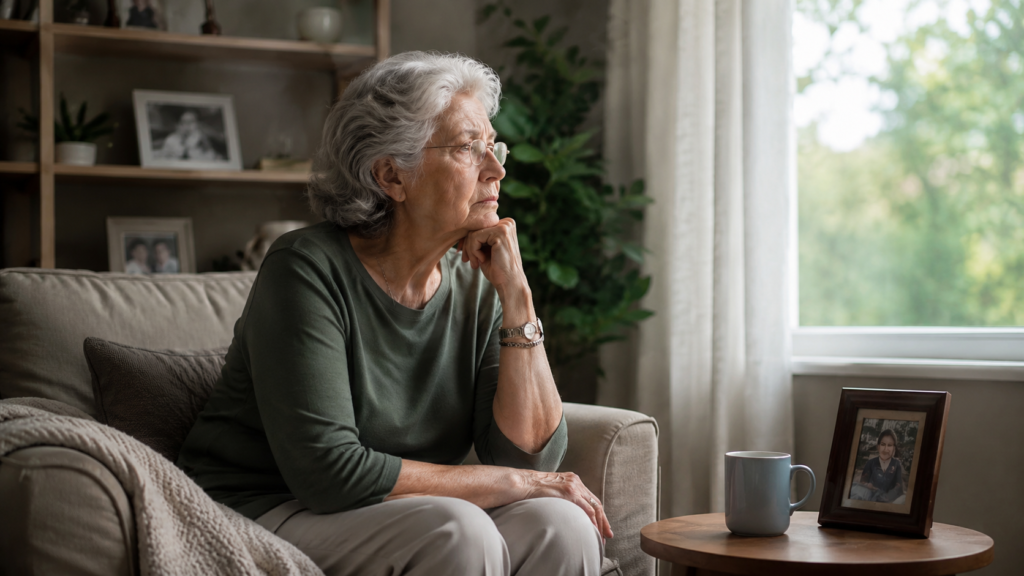
Why Mental Health Problems Can Go Unnoticed in Seniors
Mental health support for elderly adults is sometimes delayed simply because the signs aren’t recognized in time. Several factors contribute to this:
- Stigma. Many older adults grew up in a generation where mental health wasn’t openly discussed, making them less likely to bring up how they’re feeling.
- Mistaking symptoms for “normal aging.” Fatigue, withdrawal, or sadness are sometimes dismissed as an expected part of getting older rather than signs that support is needed.
- Limited social contact. Fewer people checking in means fewer chances for changes in mood or behavior to be noticed.
- Difficulty asking for help. Pride, fear of being a burden, or simply not knowing where to turn can keep seniors from reaching out.
Because of these barriers, families and caregivers often need to take the first step in starting the conversation.
Common Psychiatric Problems in Elderly Adults
While this article isn’t intended to diagnose or replace professional evaluation, it’s helpful to understand, in general terms, the psychiatric problems in elderly adults that clinicians frequently discuss. These can include mood disorders like depression, anxiety disorders, adjustment difficulties following major life changes, and in some cases, cognitive conditions that affect thinking and memory.
Every person’s experience is different, and symptoms can overlap with physical health issues or medication side effects. If a loved one shows ongoing changes in mood, thinking, or behavior, a conversation with a healthcare professional is the appropriate next step—not a home diagnosis.
How Mobility and Physical Health Affect Mental Well-Being
Mobility and mental health are more connected than many people realize. When walking becomes difficult, or a fall creates fear of leaving the house, the effects ripple outward: fewer outings, less time with friends, reduced physical activity, and a growing sense of isolation.
This is where support tools matter. Mobility aids, home safety modifications, and accessible transportation aren’t just about physical safety—they’re about preserving a person’s ability to stay socially engaged, independent, and emotionally well. This is central to the mission of Senior Mobility Care: helping older adults maintain the freedom to move through their days with confidence, because staying active and connected is one of the most protective factors for long-term emotional wellness for seniors.
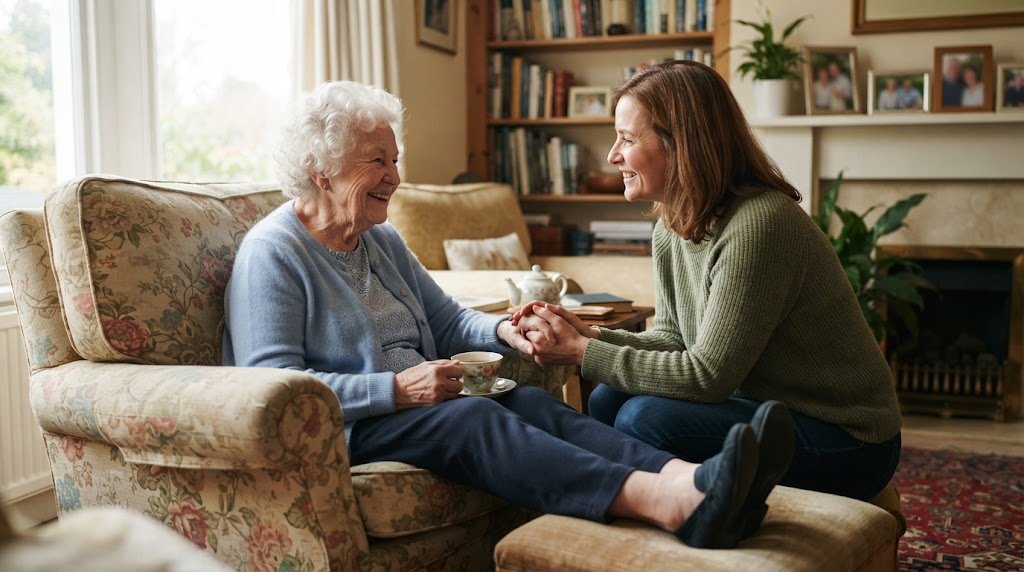
Mental Health Support for Elderly Adults
No one has to navigate this alone. There are many sources of mental health support for elderly adults, including:
- Family and friends who check in regularly and offer companionship
- Caregivers who provide both practical help and emotional connection
- Community groups built around shared interests or faith
- Senior centers offering activities, classes, and social opportunities
- Healthcare professionals who monitor overall health and can spot early warning signs
- Mental health professionals, such as counselors or therapists experienced in working with older adults
- Support groups, especially for grief, caregiving, or chronic illness
- Social activities, from book clubs to exercise classes, that build regular connection
Combining several of these supports—rather than relying on just one—tends to create the strongest safety net.
Practical Ways to Improve Mental Well-Being
Small, consistent habits can make a meaningful difference in day-to-day emotional health:
- Stay socially connected. Regular calls, visits, or group activities help combat loneliness in seniors.
- Move regularly, within ability. Gentle exercise, walking, or stretching supports both body and mood.
- Keep a daily routine. Predictable structure offers comfort and a sense of control.
- Spend time outdoors. Fresh air and natural light can lift mood and energy.
- Engage in hobbies. Gardening, painting, music, or cooking can restore a sense of purpose.
- Try brain-stimulating activities. Puzzles, reading, or learning something new supports cognitive health.
- Prioritize sleep. Consistent, restful sleep plays a major role in emotional regulation.
- Manage stress. Deep breathing, prayer, meditation, or simply talking things through can help.
- Ask for help when needed. Reaching out isn’t a weakness—it’s a strength that leads to better support.
The Importance of Psychosocial Care of Older Adults
Psychosocial care of older adults looks beyond physical symptoms to consider the whole person—their relationships, sense of dignity, independence, and place in their community. This kind of care recognizes that emotional support and meaningful connection are just as important as medication or medical treatment.
When older adults feel respected, included, and heard, their overall quality of life improves. Psychosocial care might include encouraging family involvement, supporting participation in community life, and honoring a person’s autonomy in decisions about their own care.

How Family Members and Caregivers Can Help
Family members and caregivers are often the first line of support. Here’s how to help effectively:
- Notice changes. Watch for shifts in mood, appetite, sleep, energy, or interest in usual activities.
- Listen without judgment. Create space for honest conversation without rushing to fix or dismiss feelings.
- Encourage activity and connection. Gently invite participation in social or physical activities, without pressure.
- Support independence. Offer help in ways that preserve dignity and choice rather than taking over.
- Help access professional support. Offer to research options, make calls, or attend appointments together if needed.
Consistency matters more than grand gestures. A regular phone call or weekly visit often means more than a single big effort.
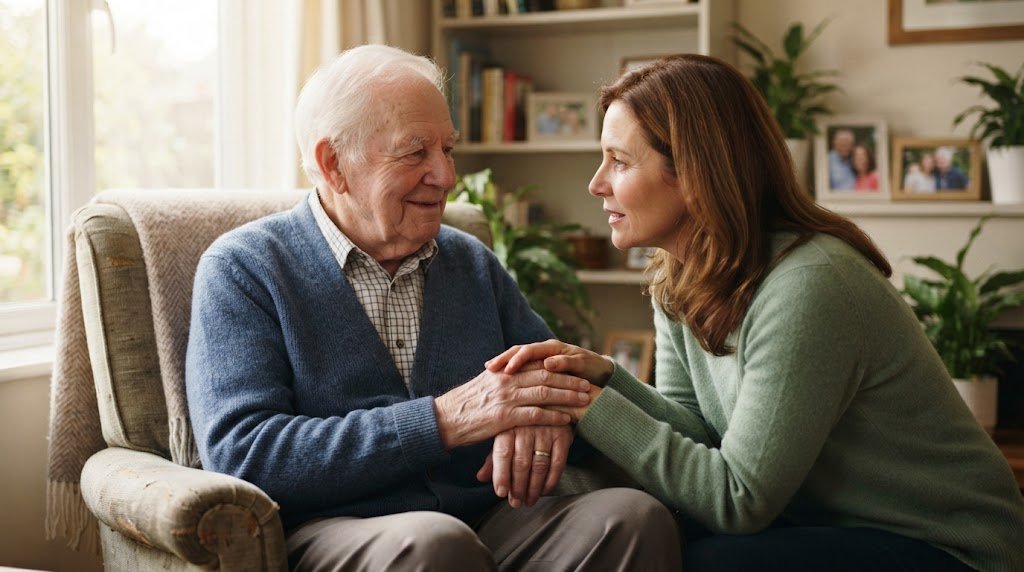
When to Seek Professional Help
If sadness, anxiety, withdrawal, or other emotional changes last for more than two weeks, worsen over time, or interfere with daily life, it’s time to speak with a qualified healthcare professional. This is especially true if there are changes in appetite, sleep, energy, or any expressions of hopelessness.
A doctor, geriatric specialist, or mental health professional can properly evaluate what’s happening and recommend appropriate next steps. This article is not intended to diagnose any condition or replace professional evaluation.
Frequently Asked Questions
1. What is the most common mental health issue in elderly adults? Depression and anxiety are among the most common concerns, often linked to loneliness, health changes, or loss.
2. Is loneliness really linked to physical health? Yes. Research consistently links chronic loneliness and social isolation in elderly adults to poorer physical and cognitive health outcomes.
3. How can I tell the difference between normal aging and a mental health concern? Occasional low moods are normal, but persistent sadness, withdrawal, or major changes in behavior lasting more than two weeks warrant a conversation with a healthcare provider.
4. Can improving mobility really help mental health? Yes. Greater mobility often means more social contact, more independence, and more opportunities for meaningful activity—all of which support emotional wellness for seniors.
5. How do I talk to an aging parent about their mental health? Choose a calm, private moment, listen without judgment, and focus on specific changes you’ve noticed rather than labels or diagnoses.
6. What if my loved one refuses help? Continue to express care without pressure, involve their doctor if possible, and revisit the conversation over time rather than forcing a single decision.
7. Are mental health challenges a normal part of aging? Emotional ups and downs are normal, but ongoing psychiatric problems in elderly adults are not something to simply accept as inevitable—support and treatment can help.
Learn more about the mental health needs and risk factors affecting older
Conclusion
Mental health for elderly adults is not a side note to healthy aging—it’s central to it. Recognizing the challenges, understanding why they’re often missed, and knowing where to find support can make a profound difference in a senior’s quality of life. Whether it’s a family member starting a caring conversation, a caregiver encouraging daily connection, or a senior taking a small step toward reaching out, every effort matters.
At Senior Mobility Care, we’re here to support not just the physical side of independence, but the emotional well-being that comes with staying active, connected, and confident at every stage of life. No one should face these challenges alone—and with the right support, brighter, more connected days are possible.
This article is for general informational purposes only and is not a substitute for professional medical or mental health advice, diagnosis, or treatment. If you or a loved one are experiencing persistent or concerning emotional symptoms, please consult a qualified healthcare professional.