
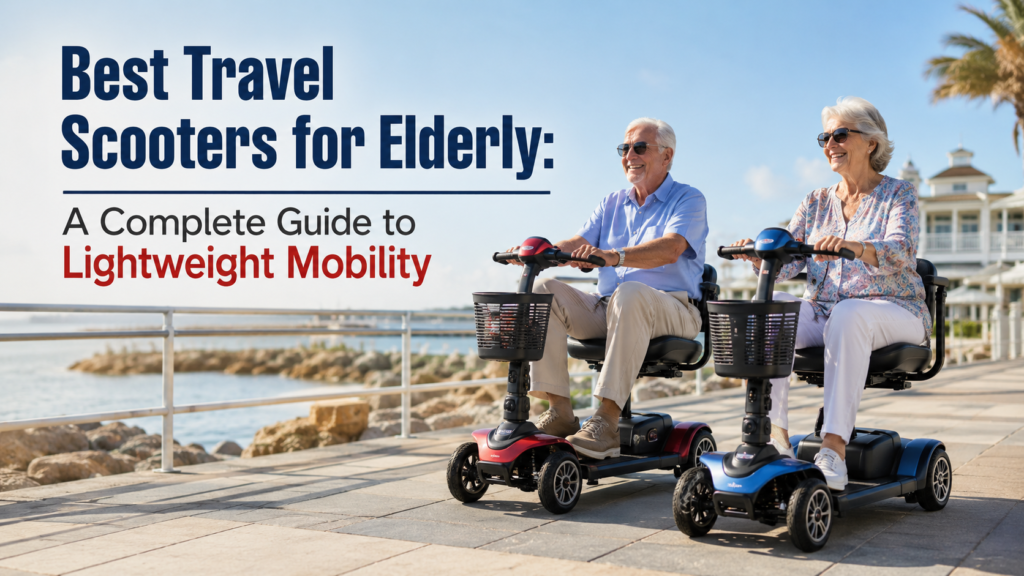
Staying active, independent, and connected to the world doesn’t have to stop because walking long distances has become harder. For millions of older adults across the United States, a travel scooter for elderly users has become the key to keeping up with grandkids at the zoo, strolling through airports, exploring new cities on vacation, or simply running errands without exhausting pain or fear of falling.
Unlike bulky mobility scooters designed for full-time home use, travel scooters are built specifically with portability in mind. They fold up, break down into lighter pieces, or roll neatly into a car trunk — making them ideal companions for seniors who want freedom without the hassle.
In this guide, we’ll walk you through everything you need to know about choosing the right lightweight mobility scooter for seniors, from key features and scooter types to safety tips and maintenance advice. Whether you’re shopping for yourself or a loved one, this guide will help you make a confident, informed decision.
What Is a Travel Scooter?
A travel scooter is a compact, lightweight version of a traditional mobility scooter. It’s designed to be easily transported — folded, disassembled, or wheeled — so it can travel with you in a car, on a plane, or on public transportation.
Unlike heavier four-wheel scooters meant for rugged outdoor terrain or full-time daily use, a portable mobility scooter for elderly individuals typically prioritizes:
- Lighter overall weight (often under 50–60 pounds for the heaviest component)
- Compact folded dimensions for storage
- Simple, intuitive controls
- Enough battery power for short to moderate outings
Travel scooters are not meant to replace a primary mobility device for someone who needs support all day, every day. Instead, they’re designed to extend independence during outings, vacations, shopping trips, and social activities.
Benefits of Travel Scooters for Elderly Adults
A senior travel scooter offers far more than just a way to get from point A to point B. Here’s why so many older adults and their families are choosing them:
- Independence. Seniors can move around at their own pace without relying on someone to push a wheelchair or offer an arm to lean on.
- Reduced fatigue and joint strain. Walking long distances can be tiring or painful for those with arthritis, limited stamina, or balance issues. A scooter conserves energy for the parts of the outing that matter most.
- Easier travel. Because these scooters are designed to fold or disassemble, they fit into car trunks, RVs, cruise ship cabins, and even some airline cargo holds.
- More social engagement. Independence often translates into more outings — family gatherings, shopping trips, walks in the park — which can support a fuller, more active lifestyle.
- Confidence and peace of mind. Knowing there’s a reliable way to get around can reduce anxiety about falls or overexertion, especially in unfamiliar places.
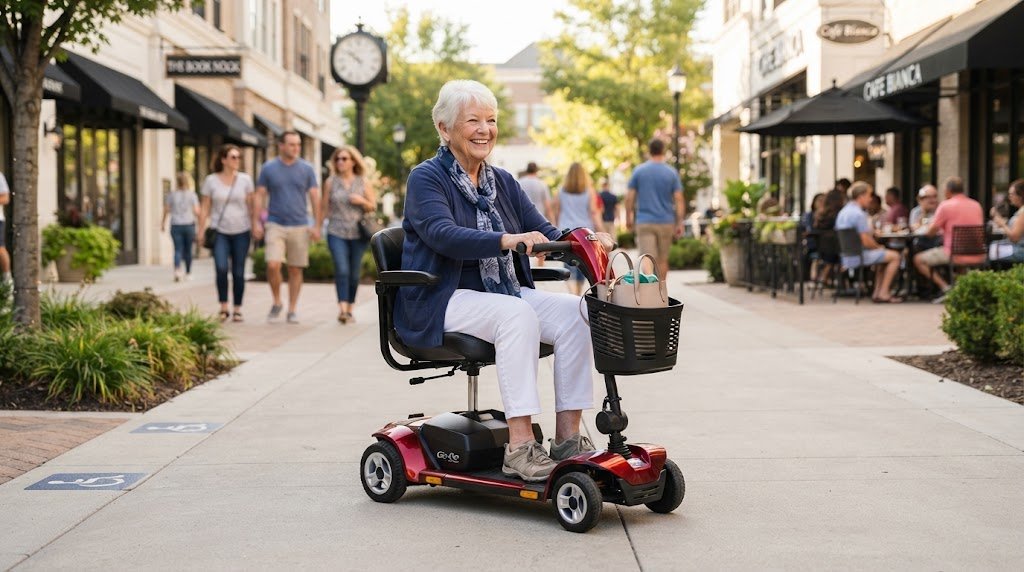
Key Features to Look For
Not all travel scooters are created equal. Here are the features that matter most when comparing models.
Weight and Portability
The whole point of a lightweight mobility scooter for seniors is that it’s easy to lift, load, and carry. Look at the weight of the heaviest single piece — not just the total scooter weight — since that’s what determines whether a caregiver or senior can lift it into a car trunk without strain. Many travel scooters break down into pieces weighing between 20 and 40 pounds each.
Folding or Disassembly Design
Some scooters fold automatically at the push of a button or remote; others must be manually taken apart into two to five pieces. Both designs have pros and cons, which we’ll cover in more detail below.
Battery Range
Battery range varies widely, typically between 8 and 20 miles per charge. Consider:
- How far you typically travel in a single outing
- Whether charging stations will be available during longer trips
- How quickly the battery recharges
Comfort and Seat Support
Even a short trip can feel long without proper seating. Look for:
- Padded, supportive seats
- Adjustable seat height or armrests
- Swivel seats for easier getting on and off
Weight Capacity
Every scooter has a maximum weight capacity, usually ranging from 250 to 400 pounds. Always choose a model with a capacity comfortably above the rider’s weight for safety and performance.
Safety Features
Look for scooters with:
- Anti-tip wheels
- Reliable braking systems
- Bright headlights and reflectors for visibility
- Horn or bell for alerting others in crowded spaces
Ease of Transport in a Car
Some scooters come with built-in wheels for rolling once disassembled, while others may require a lightweight ramp or lift for loading. Think about who will be doing the lifting and whether they can safely manage the parts involved.
Types of Travel Mobility Scooters
There are a few common categories of compact mobility scooters designed for travel:
- 3-wheel travel scooters — Excellent maneuverability and a tighter turning radius, ideal for indoor use and crowded spaces like malls or airports.
- 4-wheel travel scooters — Slightly more stable, especially outdoors on uneven surfaces, though often a bit heavier than 3-wheel models.
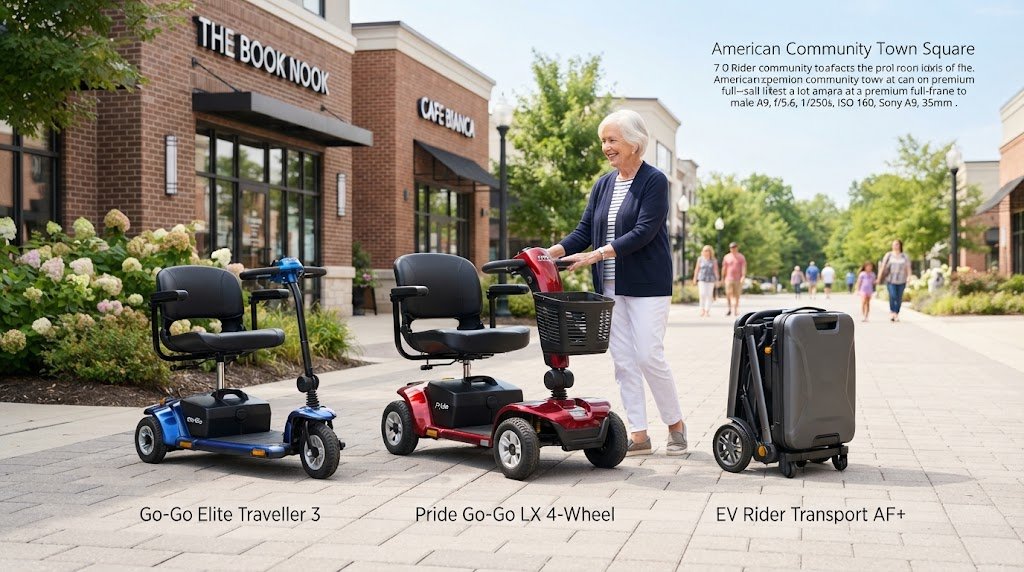
- Folding travel scooters — Fold down into a single compact unit, often with wheels for rolling, making them easy to store in a closet or car trunk.
- Disassemblable travel scooters — Break into multiple smaller, lighter pieces, which can be easier for those who cannot lift heavy loads at once.
Folding vs. Disassemblable Travel Scooters
Choosing between a folding mobility scooter and a disassemblable model depends largely on strength, storage space, and how the scooter will be transported.
Folding scooters:
- Fold into one compact unit, often with a single motion or remote control
- Usually have built-in wheels for rolling once folded
- Convenient for those who can’t lift heavy items but can push or pull a rolling unit
- May still be heavy as a single folded piece
Disassemblable scooters:
- Break apart into multiple lighter components (frame, seat, battery, etc.)
- Easier for caregivers who need to lift pieces individually
- Takes a bit more time and a few extra steps to assemble and disassemble
- Often lighter per piece, which can be gentler on the back and joints
There’s no universal “better” option — it comes down to who is doing the lifting and how much time and effort they’re comfortable spending each time the scooter is loaded or unloaded.
How to Choose the Right Travel Scooter for an Elderly Person
When selecting the best travel mobility scooter, consider the following:
- Assess strength and mobility needs. Can the user or caregiver lift 30–40 pounds repeatedly? If not, look for lighter component weights or scooters with built-in wheels for rolling instead of lifting.
- Think about typical travel distances. Short errands need less battery range than all-day outings or vacations.
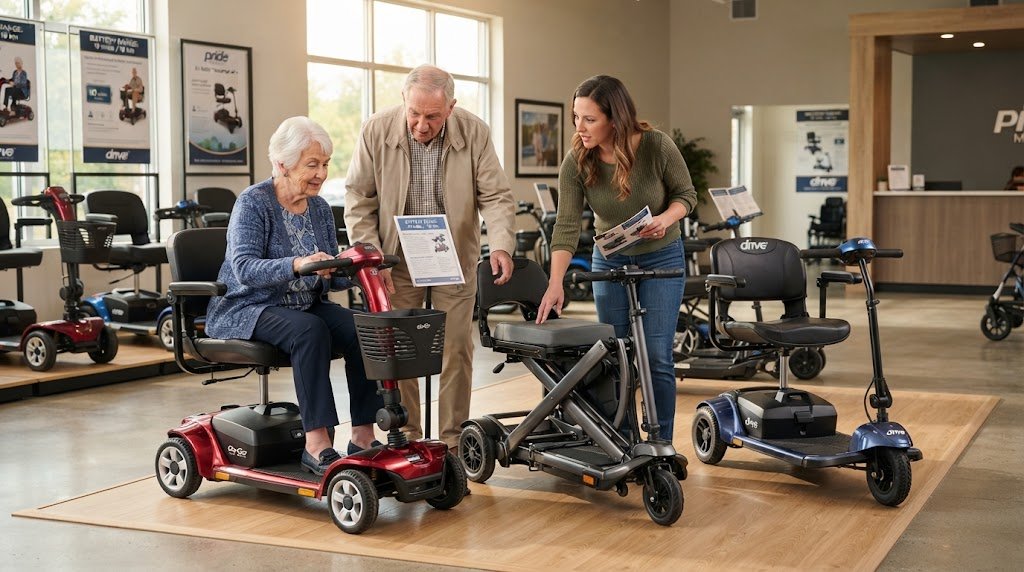
- Consider storage space. Measure the trunk space, closet, or storage area where the scooter will be kept.
- Factor in body size and weight. Choose a model with adequate weight capacity and a comfortable seat width.
- Test the controls. Simple, large, clearly labeled controls are especially helpful for those with limited hand strength or vision changes.
- Check airline and cruise policies if traveling. Many travel scooters are designed to meet airline battery requirements, but it’s worth confirming with the specific airline or cruise line beforehand.
- Set a realistic budget. Prices for a best mobility scooter for seniors in the travel category generally range from around $700 to over $2,000, depending on features, battery life, and build quality.
Important Safety Tips for Seniors
- Always read the owner’s manual before first use, including weight limits and battery care instructions.
- Start slow in a familiar, open area to get comfortable with the controls.
- Wear sturdy, closed-toe shoes for stability when getting on and off.
- Avoid steep inclines or uneven terrain unless the scooter is specifically rated for it.
- Keep the scooter’s speed setting low in crowded areas like stores or airports.
- Charge the battery fully before outings and monitor the charge level during use.
- Ask a doctor or physical therapist for guidance if there are concerns about balance, vision, or cognitive changes that could affect safe operation.
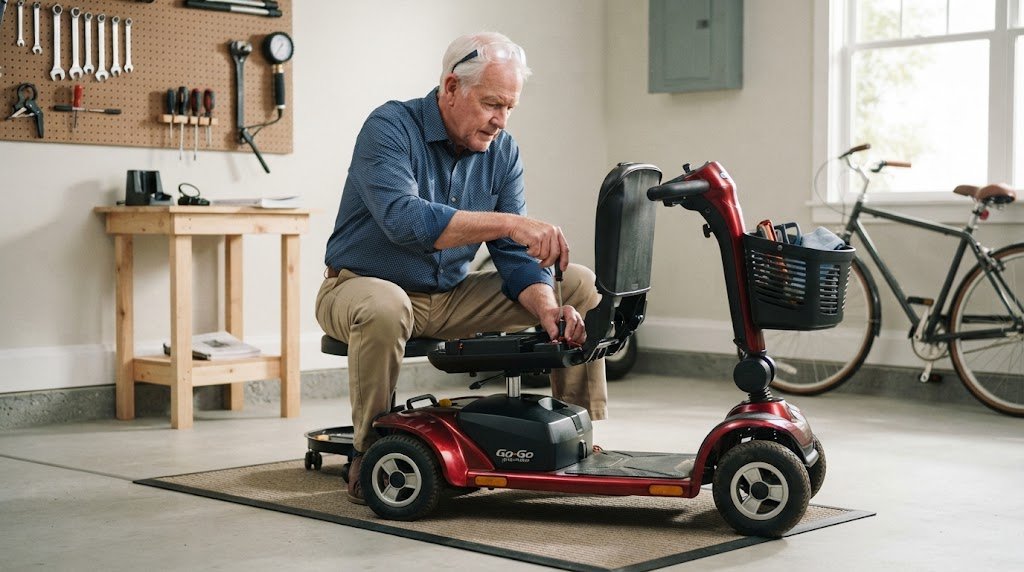
Travel Scooter Maintenance Tips
Routine care keeps a travel scooter reliable and safe for years of use:
- Charge the battery regularly, even if the scooter isn’t used often, to preserve battery life.
- Check tire pressure (for pneumatic tires) or inspect solid tires for wear.
- Wipe down the scooter after outings, especially if it’s been exposed to rain, sand, or dust.
- Inspect folding or locking mechanisms periodically to make sure they engage securely.
- Store indoors or in a covered area when possible to protect electrical components from extreme temperatures.
- Schedule an annual tune-up with the manufacturer or a mobility equipment specialist for brakes, wiring, and general wear.
Frequently Asked Questions
Are travel scooters allowed on airplanes? Many travel scooters with removable, airline-compliant batteries can be checked as luggage or gate-checked, but policies vary by airline. Always confirm battery type and size requirements directly with the airline before flying.
How much do travel scooters typically weigh? Most travel scooters weigh between 40 and 70 pounds in total, with the heaviest single piece (after folding or disassembly) usually ranging from 20 to 40 pounds.
Can one person lift a travel scooter alone? It depends on the model and the individual’s strength. Disassemblable scooters with lighter component pieces are generally easier for one person to manage than a single heavy folded unit.
How far can a travel scooter go on one charge? Battery range typically falls between 8 and 20 miles, depending on the model, terrain, and rider weight.
Is a 3-wheel or 4-wheel scooter better for travel? Three-wheel scooters generally offer tighter turning for indoor spaces, while 4-wheel scooters provide extra stability outdoors. The right choice depends on where the scooter will be used most often.
Do travel scooters require a prescription? In most cases, no prescription is required to purchase a travel scooter, though insurance coverage (if applicable) may require documentation from a healthcare provider.
Medicare coverage for mobility scooters
Conclusion
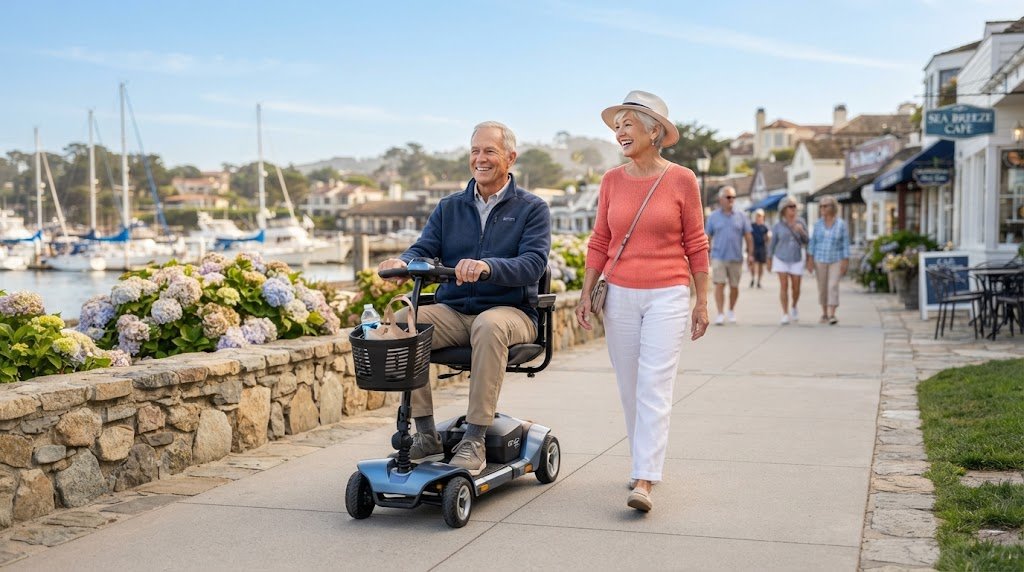
Choosing the right travel scooter for elderly users comes down to understanding individual mobility needs, lifestyle, and travel habits. A lightweight, easy-to-fold scooter might be perfect for someone who mainly needs help getting through airports or shopping malls, while a slightly sturdier disassemblable model might better suit someone planning frequent road trips or outdoor outings.
Take time to consider strength levels, typical travel distances, storage space, and budget before making a decision. When in doubt, consulting with a physical therapist, occupational therapist, or mobility equipment specialist can help match the right scooter to the right person.
Above all, the best travel scooter is the one that fits comfortably into daily life — supporting independence, easing physical strain, and making it possible to keep doing the things that matter most.